
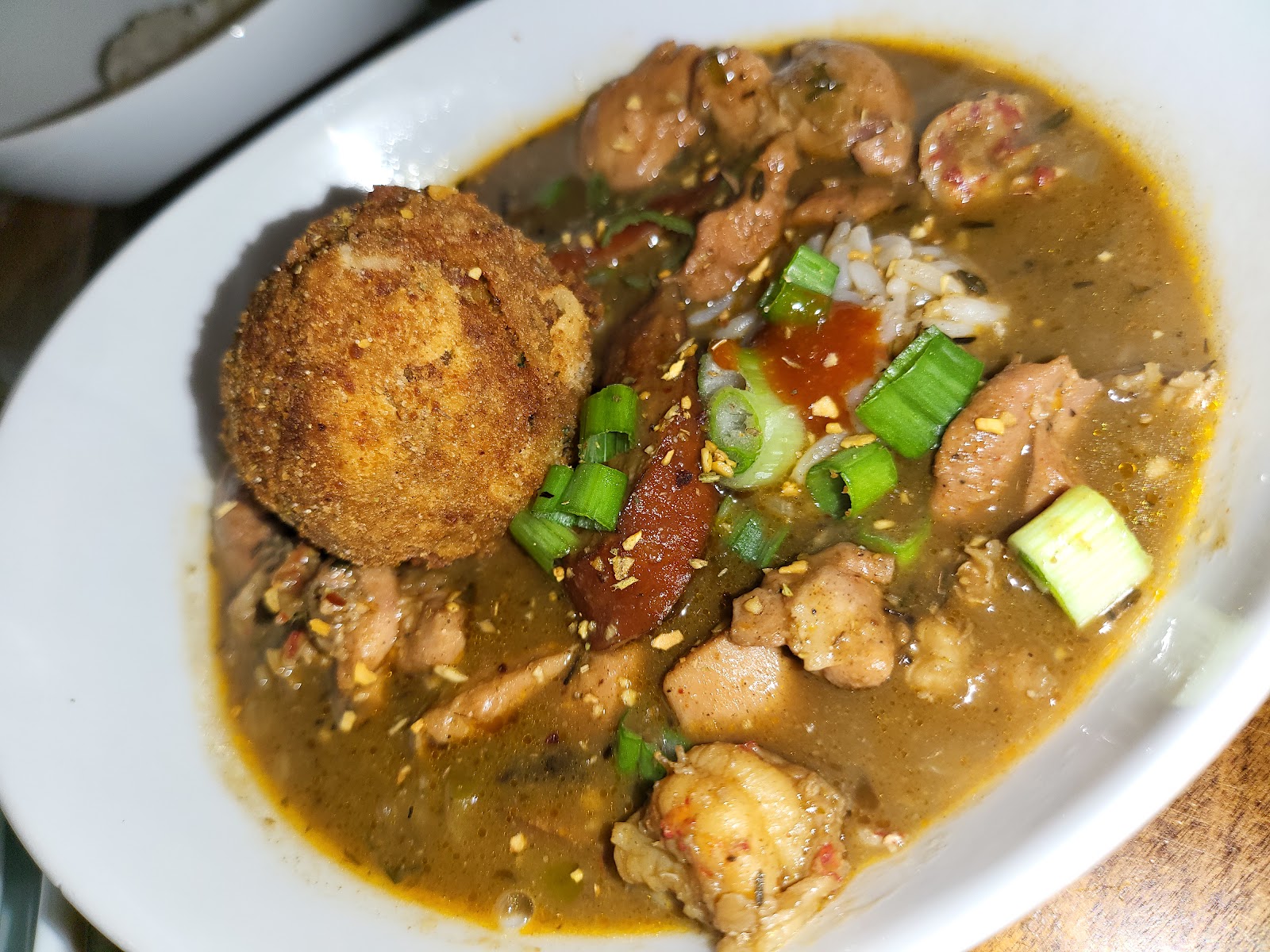
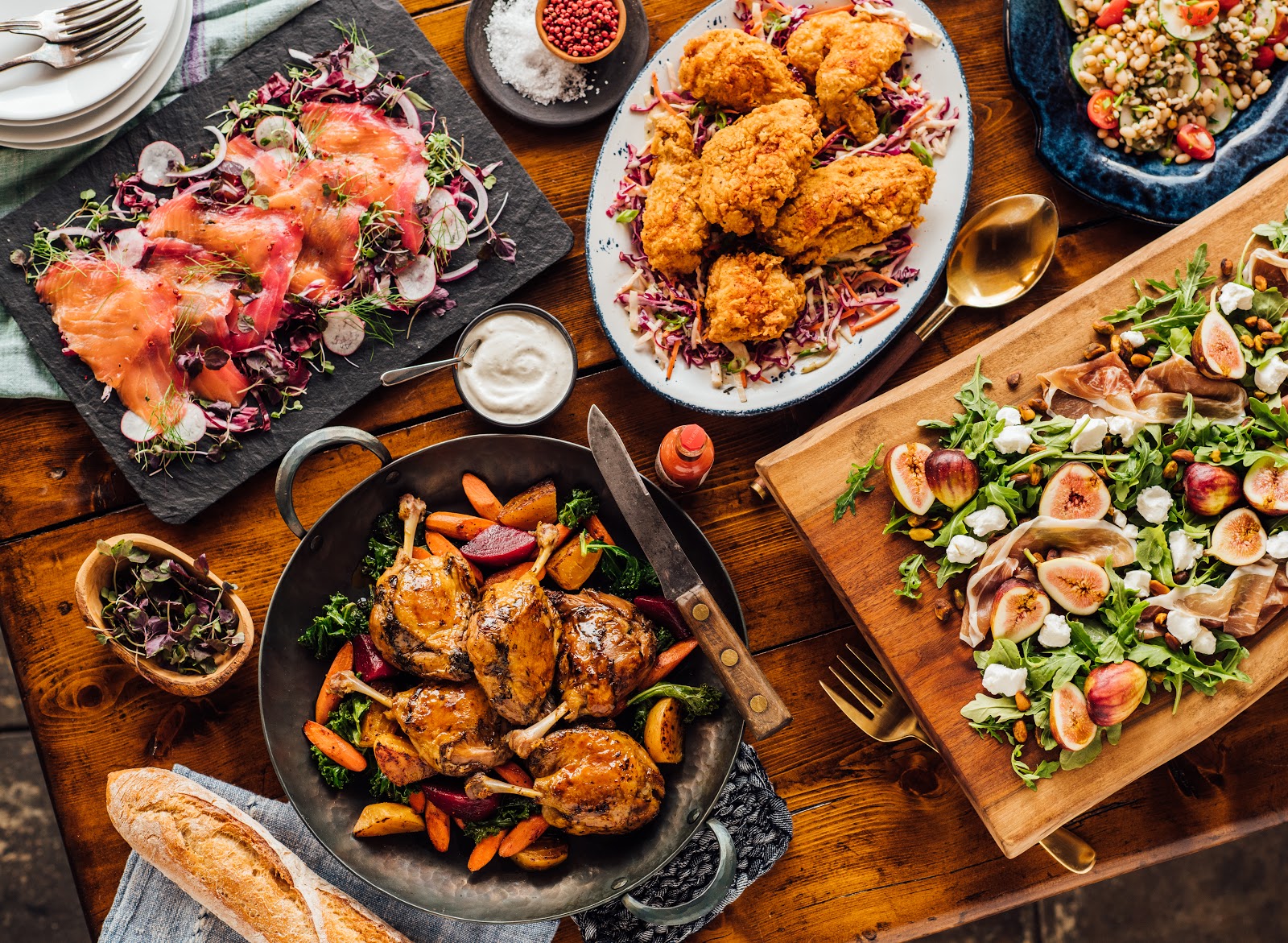
From observations of New Orleans weddings, food is more than just a meal - it’s a key part of the celebration. Our analysis shows that couples here often prioritize caterers who can showcase local flavors with flair. Whether it’s a traditional sit-down dinner or a reception filled with passed hors d’oeuvres like mini muffulettas and crawfish beignets, wedding caterers in New Orleans understand how to create a memorable dining experience. Based on what we've seen, menus that incorporate Cajun, Creole, and Southern cuisine continue to be top choices.
When hiring a caterer in New Orleans, consider their familiarity with local ingredients, experience with live-action stations, and ability to serve large groups efficiently. Catering teams should be comfortable preparing regional dishes and accommodating dietary needs. Local planner Aimee Thibodeaux recommends, "Make sure your caterer has worked in your venue before. Timing and layout are crucial, especially at older properties in the Garden District or French Quarter." Tastings are a must, and it’s smart to ask about their handling of heat-sensitive dishes during the summer months.
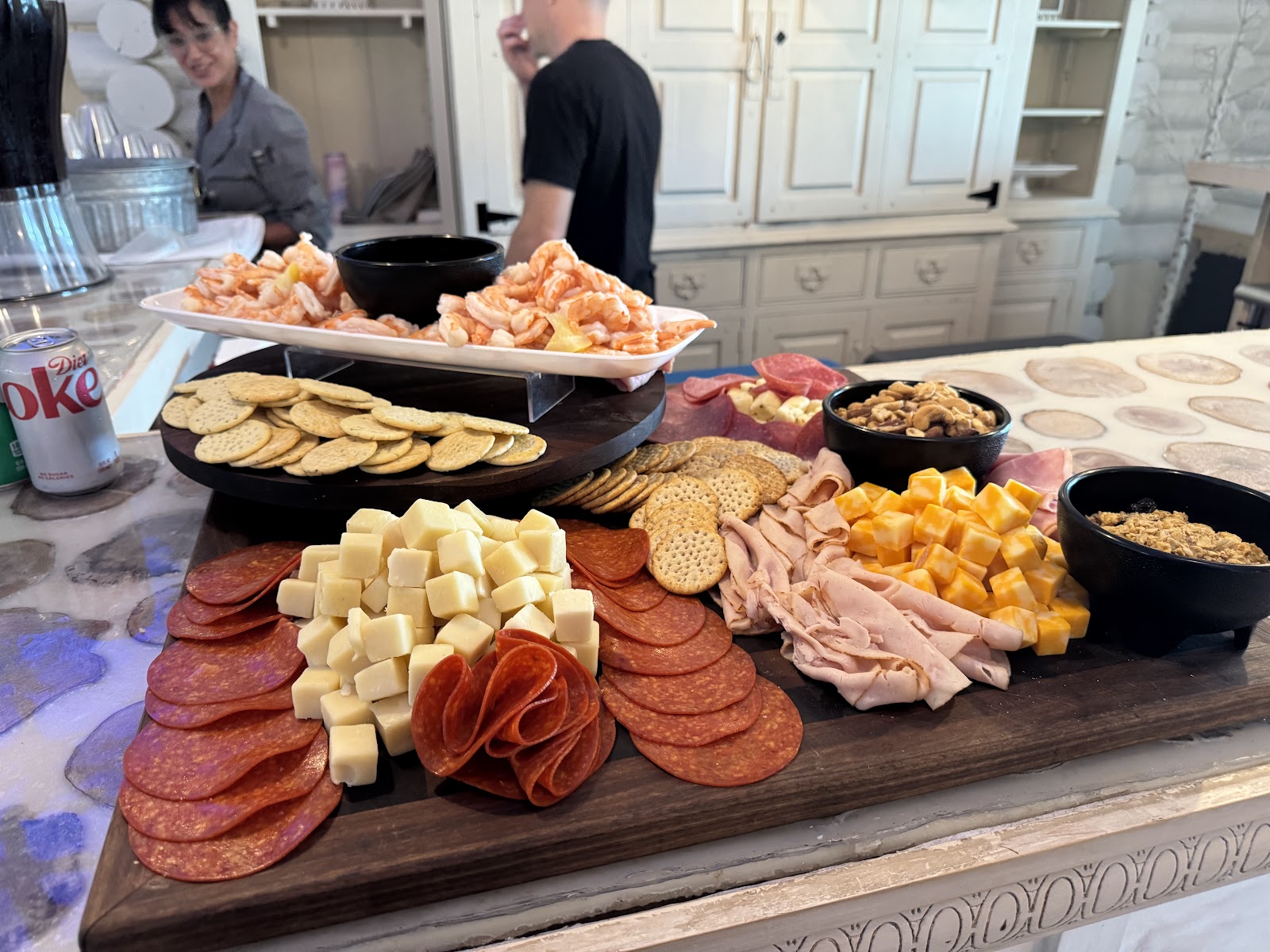
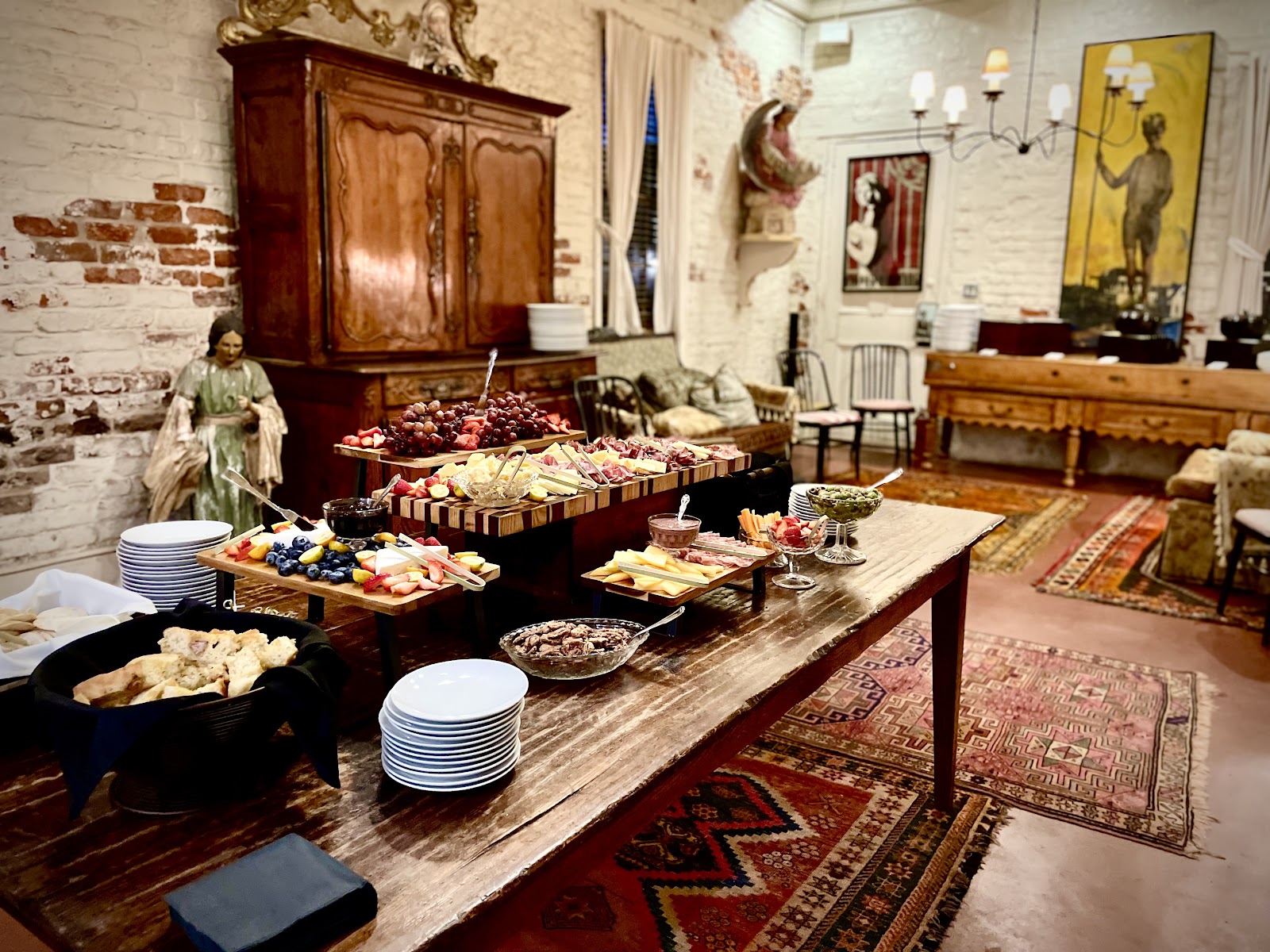
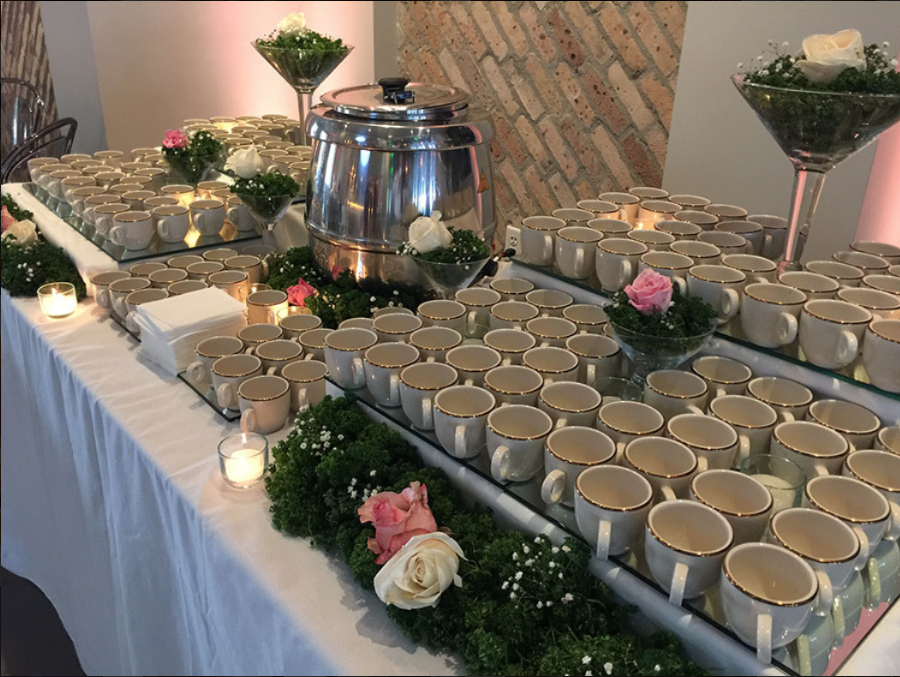
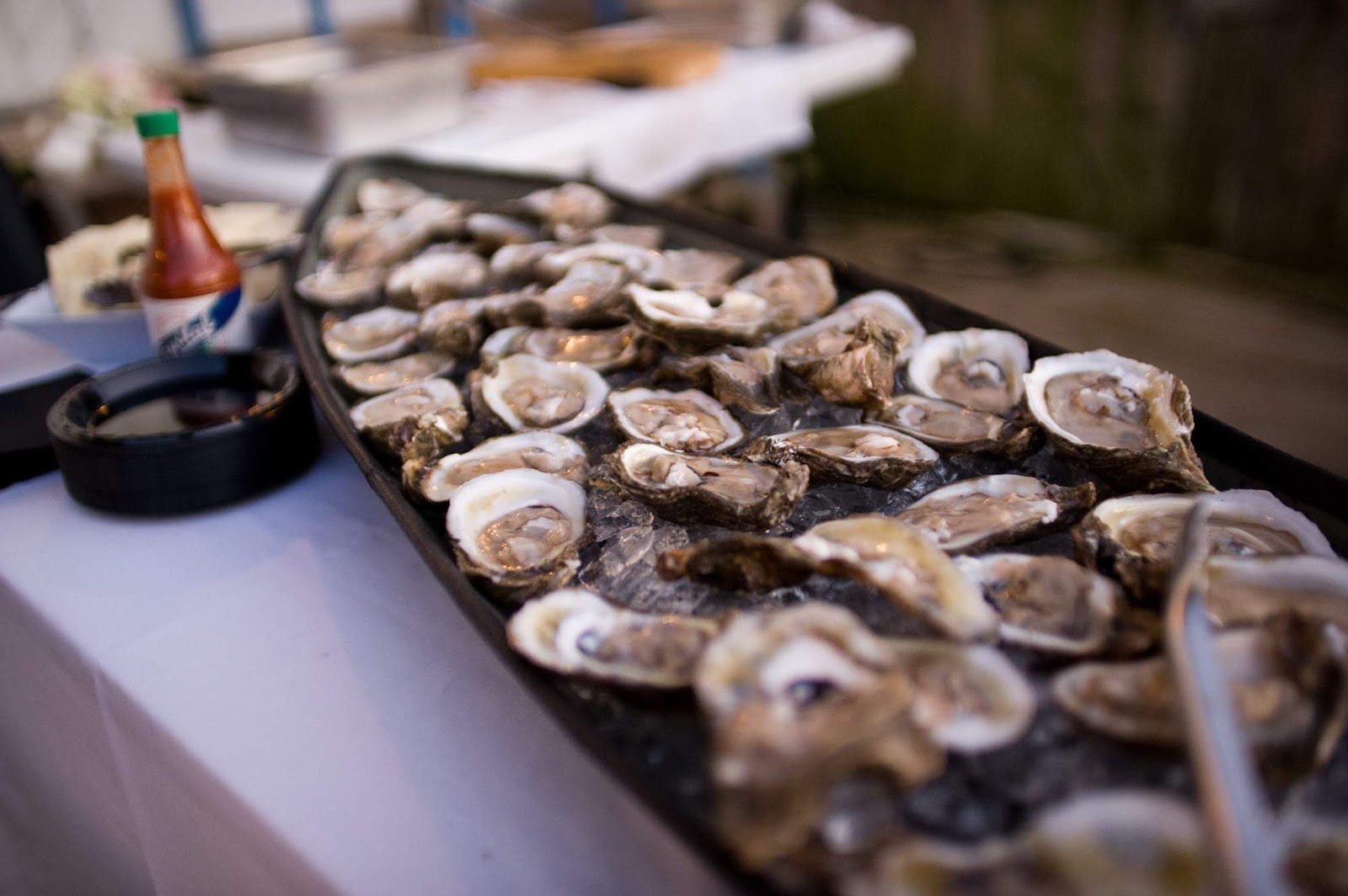
Interactive food stations and late-night bites are major trends in New Orleans weddings. Oyster shuckers, jambalaya stations, and made-to-order beignets are all crowd favorites. In neighborhoods like the Warehouse District, caterers are incorporating global fusion touches while still keeping local flavor at the forefront. Signature cocktails paired with small plates are another stylish choice, especially for courtyard or rooftop receptions.
We recommend booking your caterer 9 to 12 months in advance, especially if your wedding falls in the city’s peak seasons of spring or fall. Catering costs can range from $60 to $120 per guest, depending on menu complexity and service style. Expect to allocate around 20-25% of your total wedding budget. Buffets and food stations tend to offer more value compared to plated meals, especially for large guest lists.
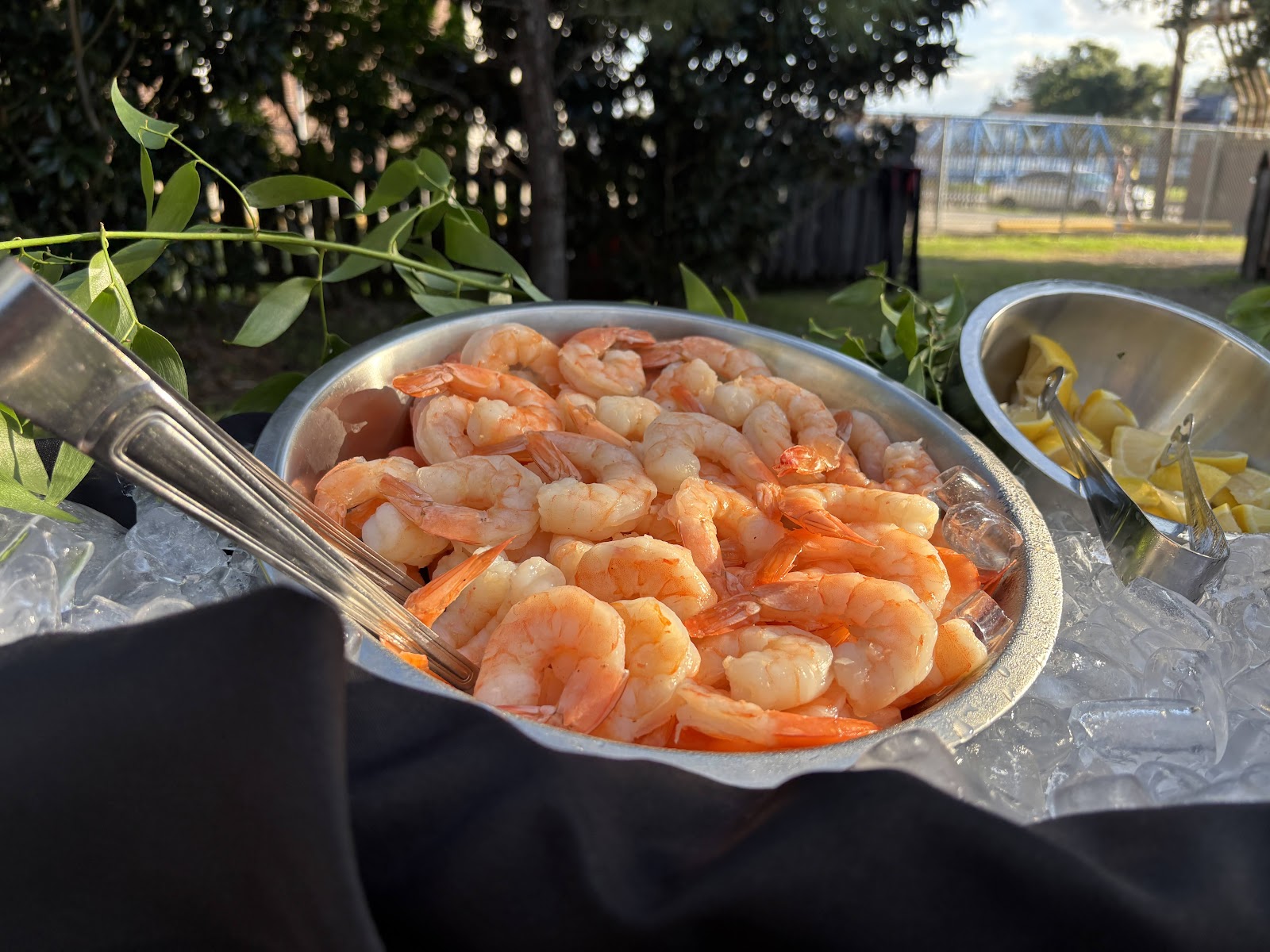
Local caterers know how to handle the city’s climate, from keeping seafood fresh in the summer to adjusting menus for outdoor receptions. Their ties with local farms and seafood vendors ensure high-quality ingredients. Plus, they understand the cultural expectations of a New Orleans wedding, from timing a second line to wrapping up with café au lait and beignets. Their experience with local venues means smoother setup and service, no matter the layout or location.



.png)
.png)
.png)