
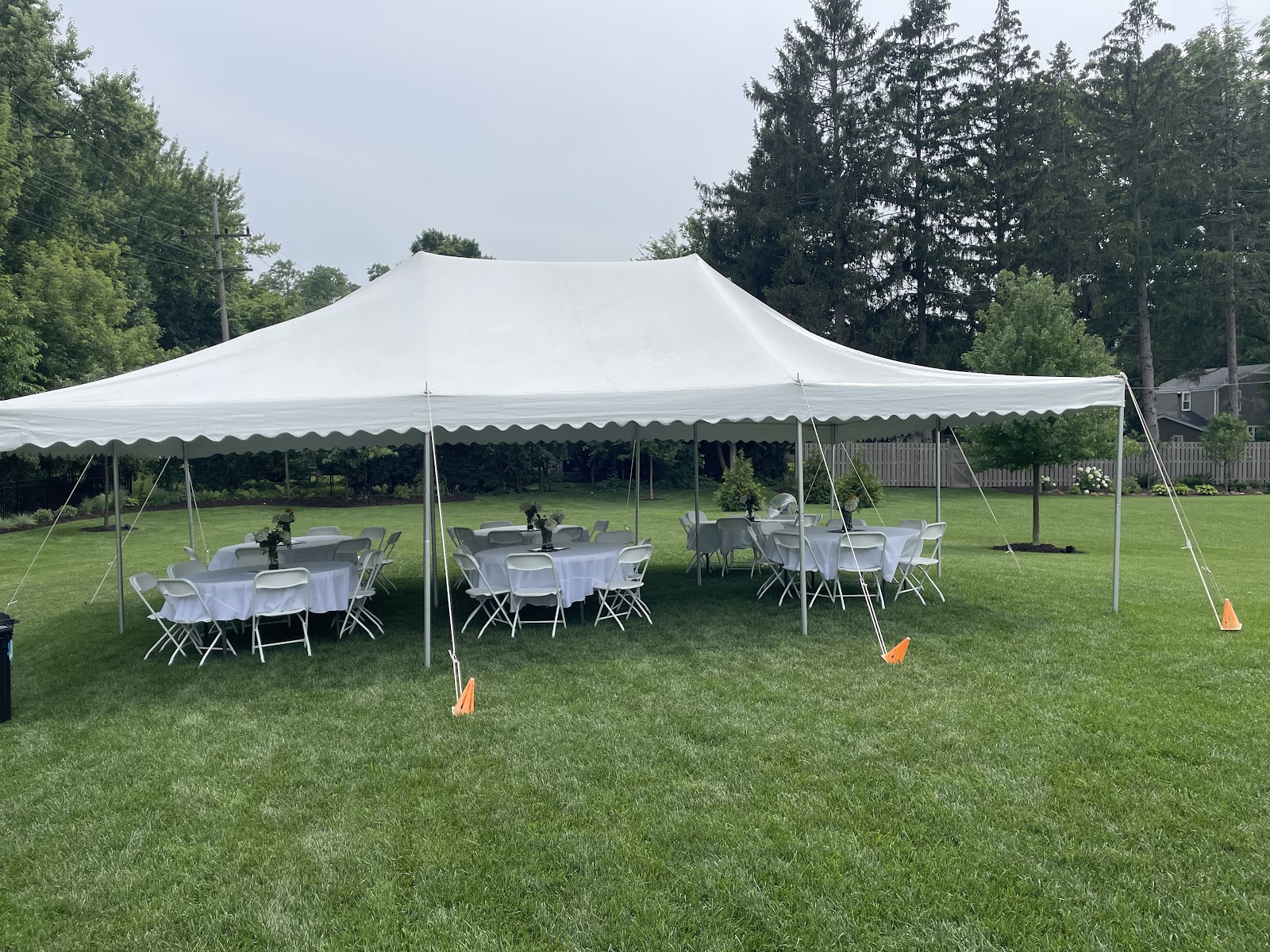
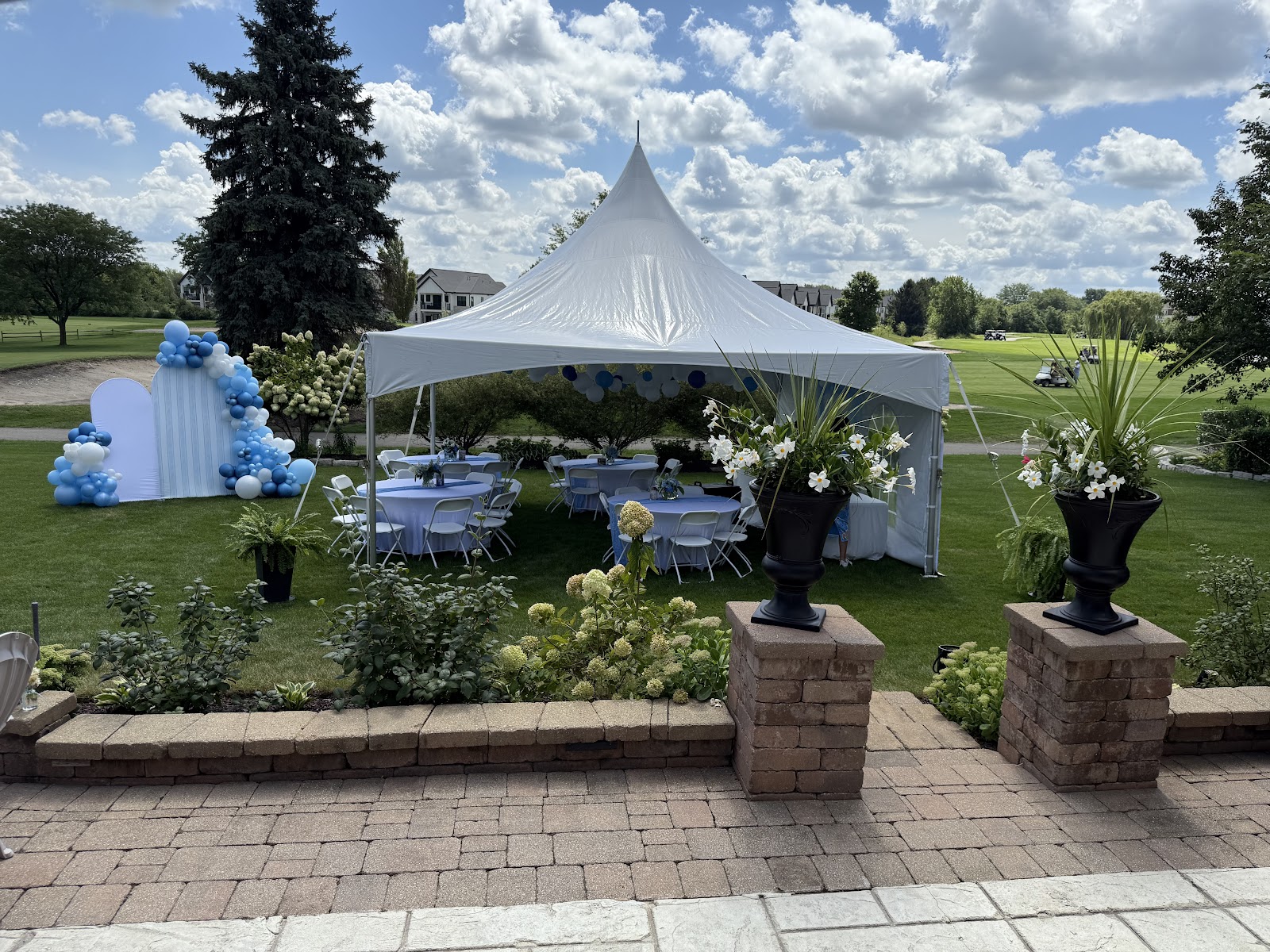
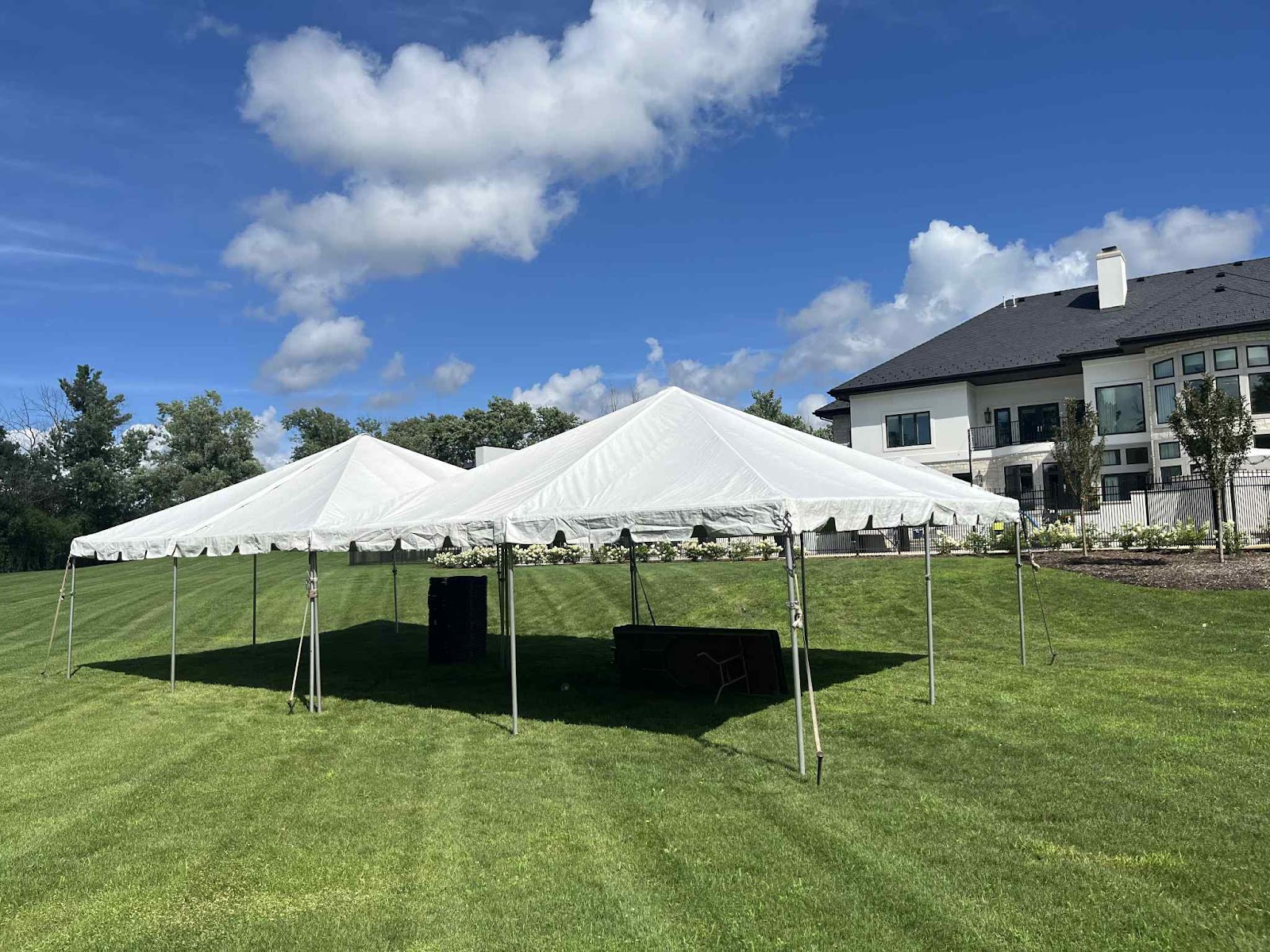
Based on what we've seen at outdoor weddings in Chicago, tent rentals play a critical role in managing unpredictable weather and creating custom event spaces. From lakefront ceremonies to backyard receptions in neighborhoods like Andersonville and Beverly, tents provide both shelter and structure. Our research into tent rental companies shows a wide range of options, from clear-top tents for skyline views to fully enclosed structures for winter weddings. Given Chicago's variable climate, having a solid tent plan is a smart move.
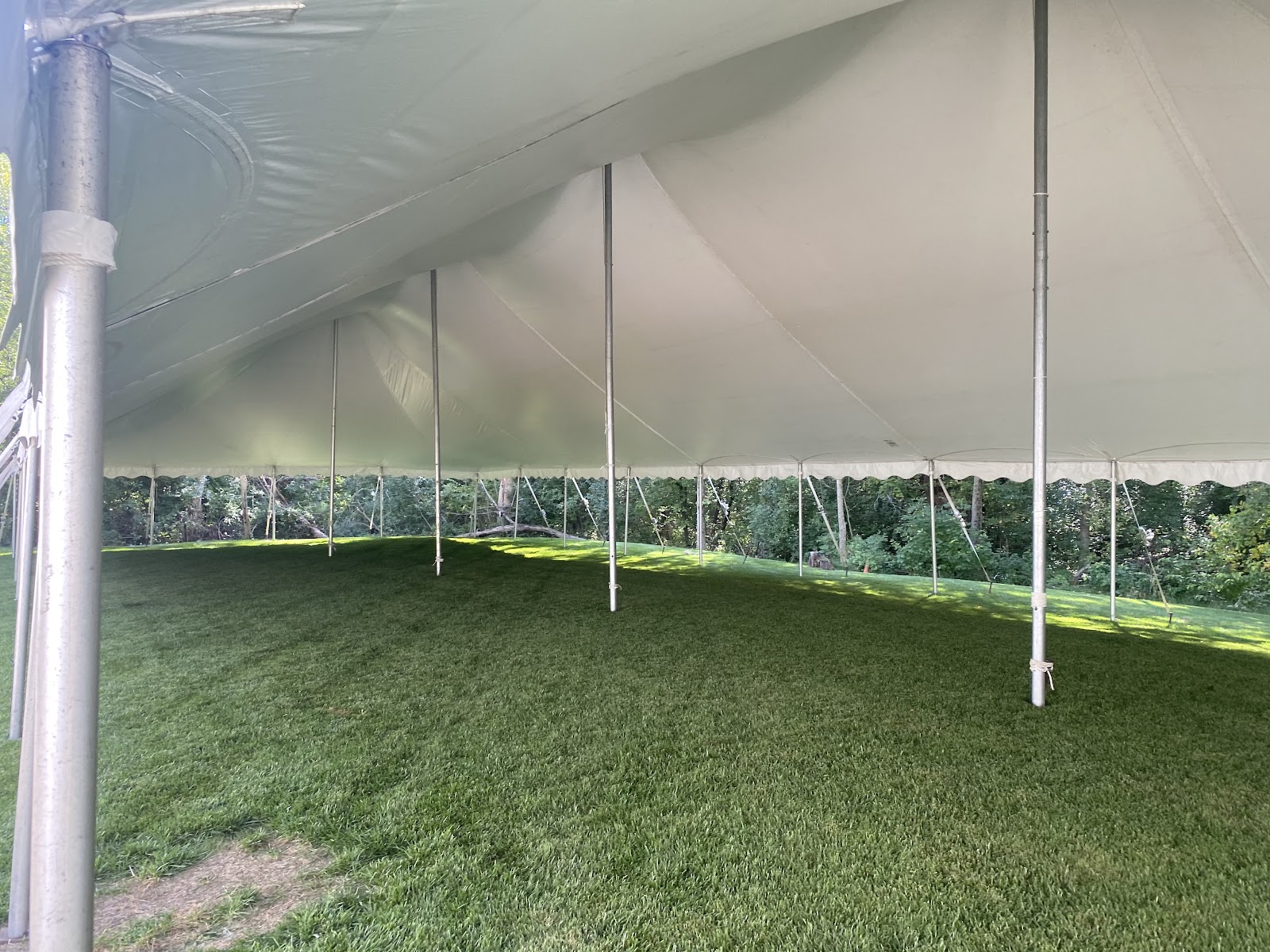
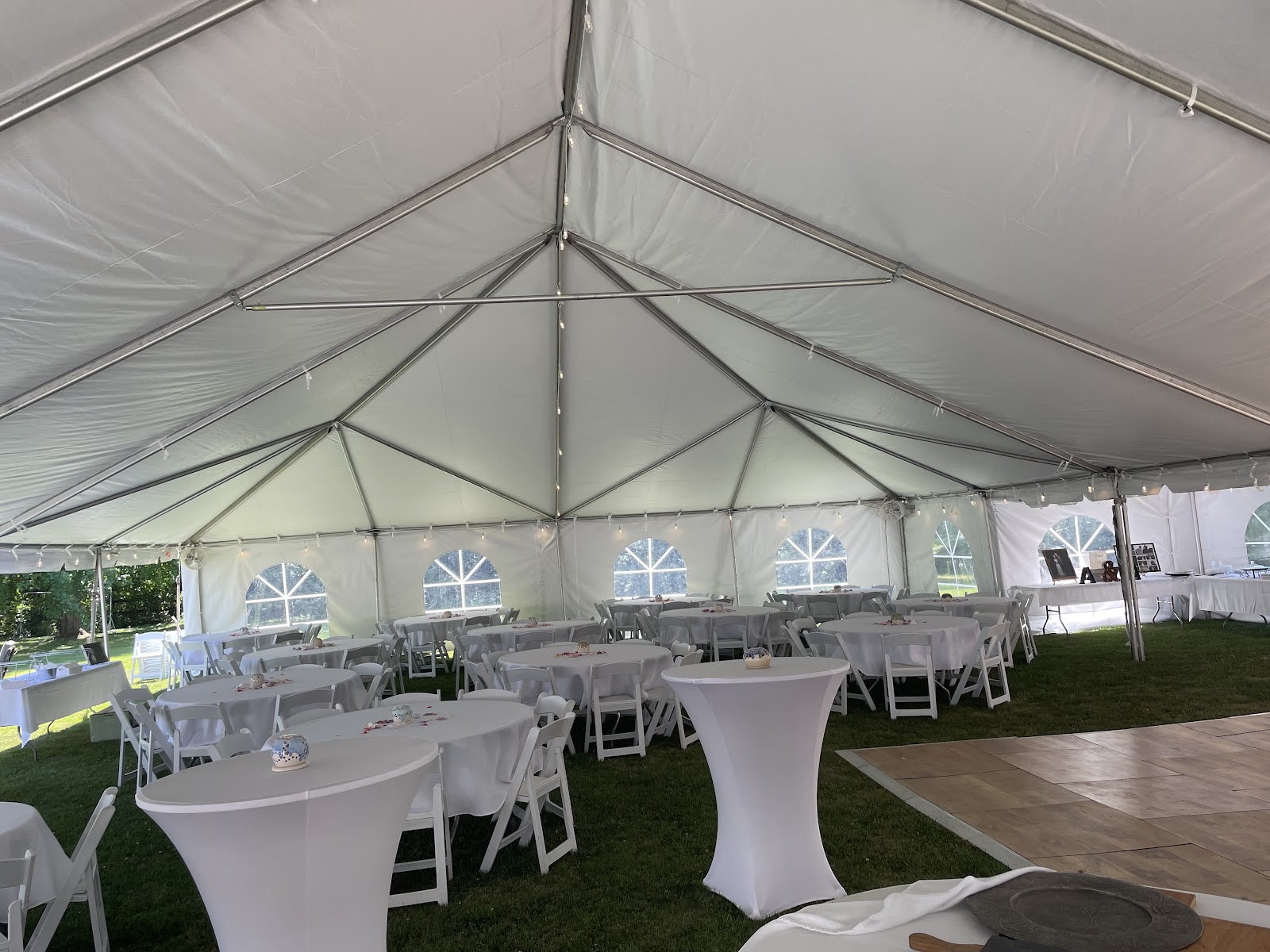
Top considerations include tent size options, weatherproofing, setup logistics, and flooring availability. Ask if the company provides sidewalls, heating/cooling systems, and lighting as part of their packages. Local planner Shante Williams says, “In Chicago, I never plan an outdoor wedding without a tent backup. Even summer days can bring sudden downpours or chilly winds off the lake.” Make sure the company has experience with both private properties and public permits for park spaces.
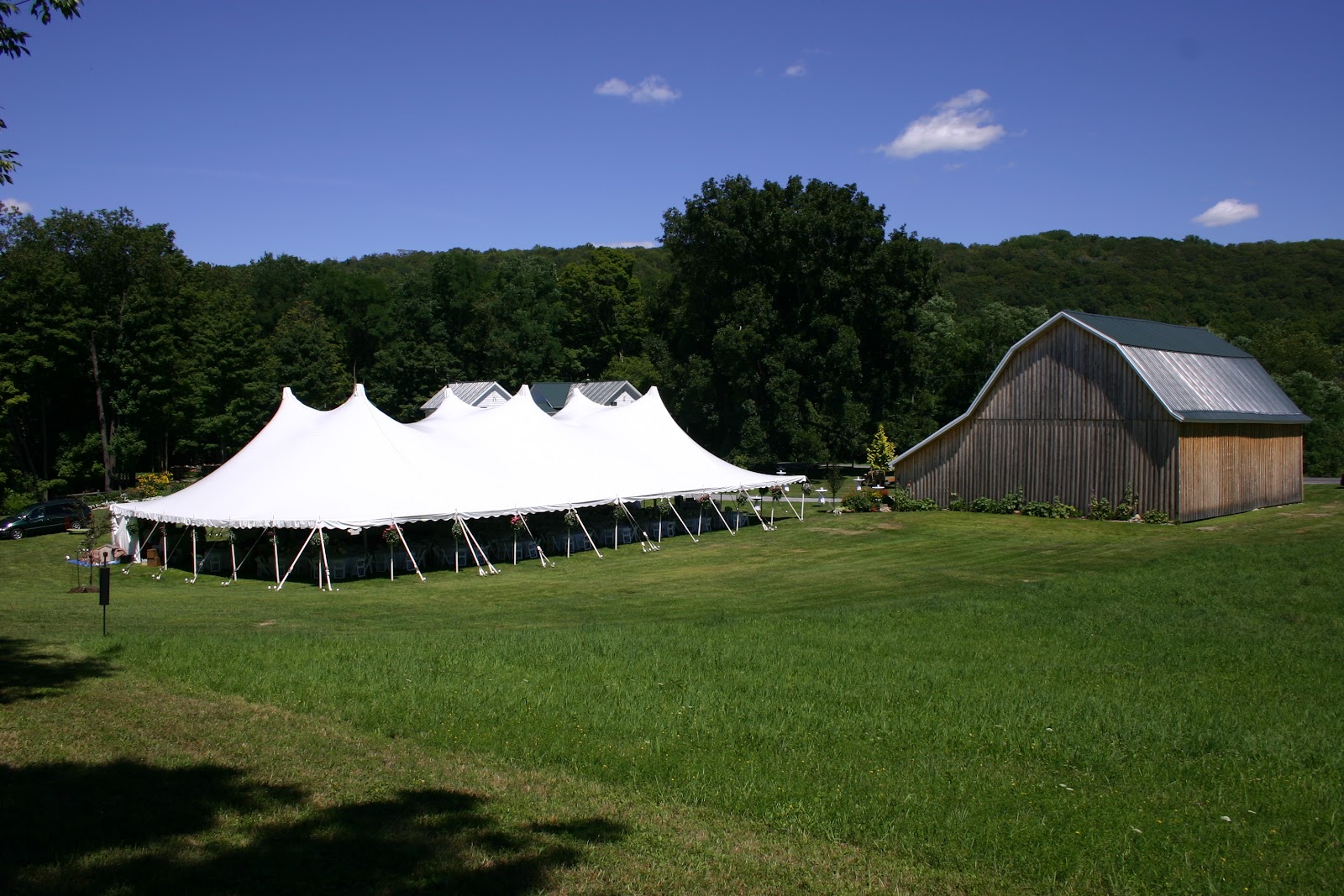
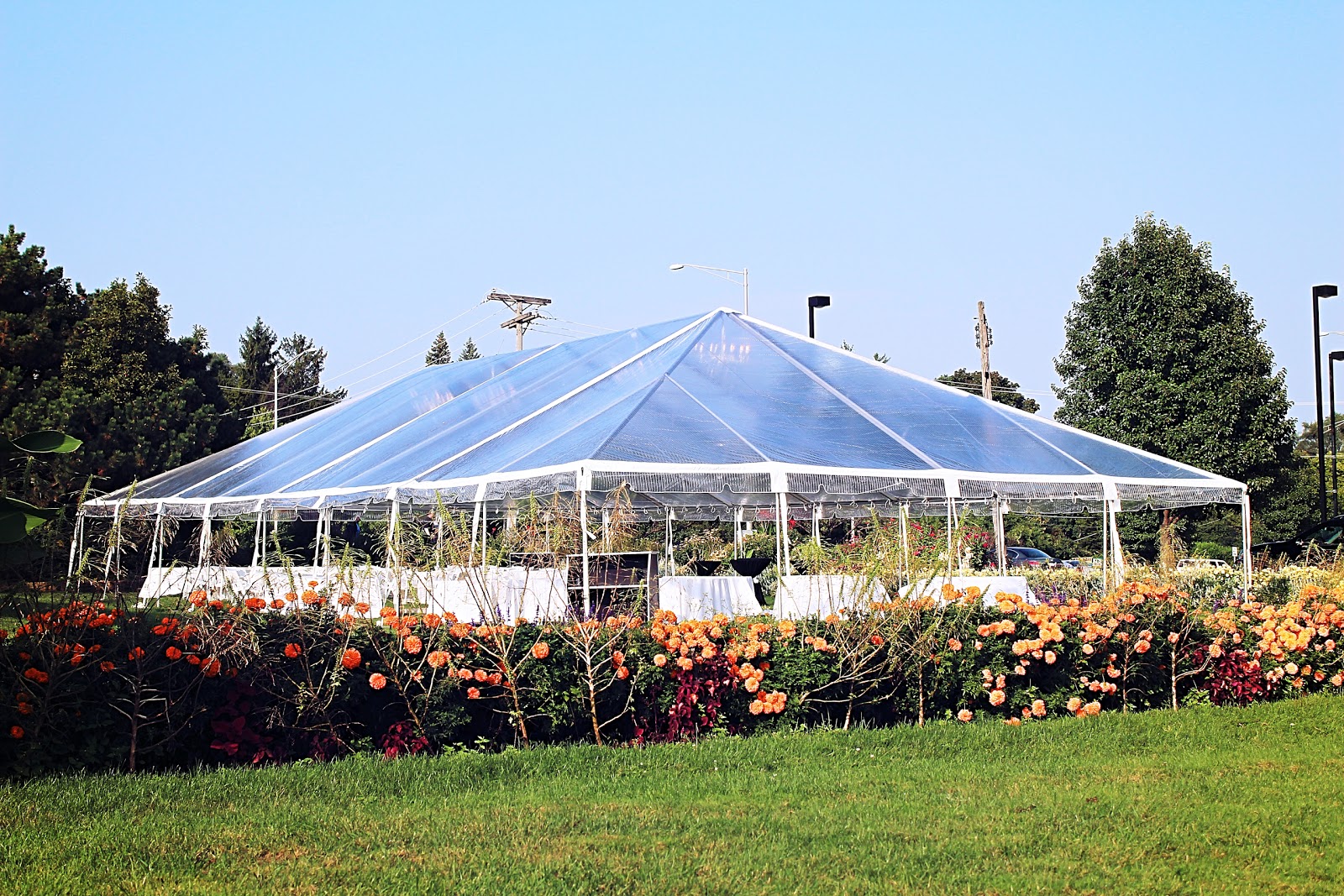
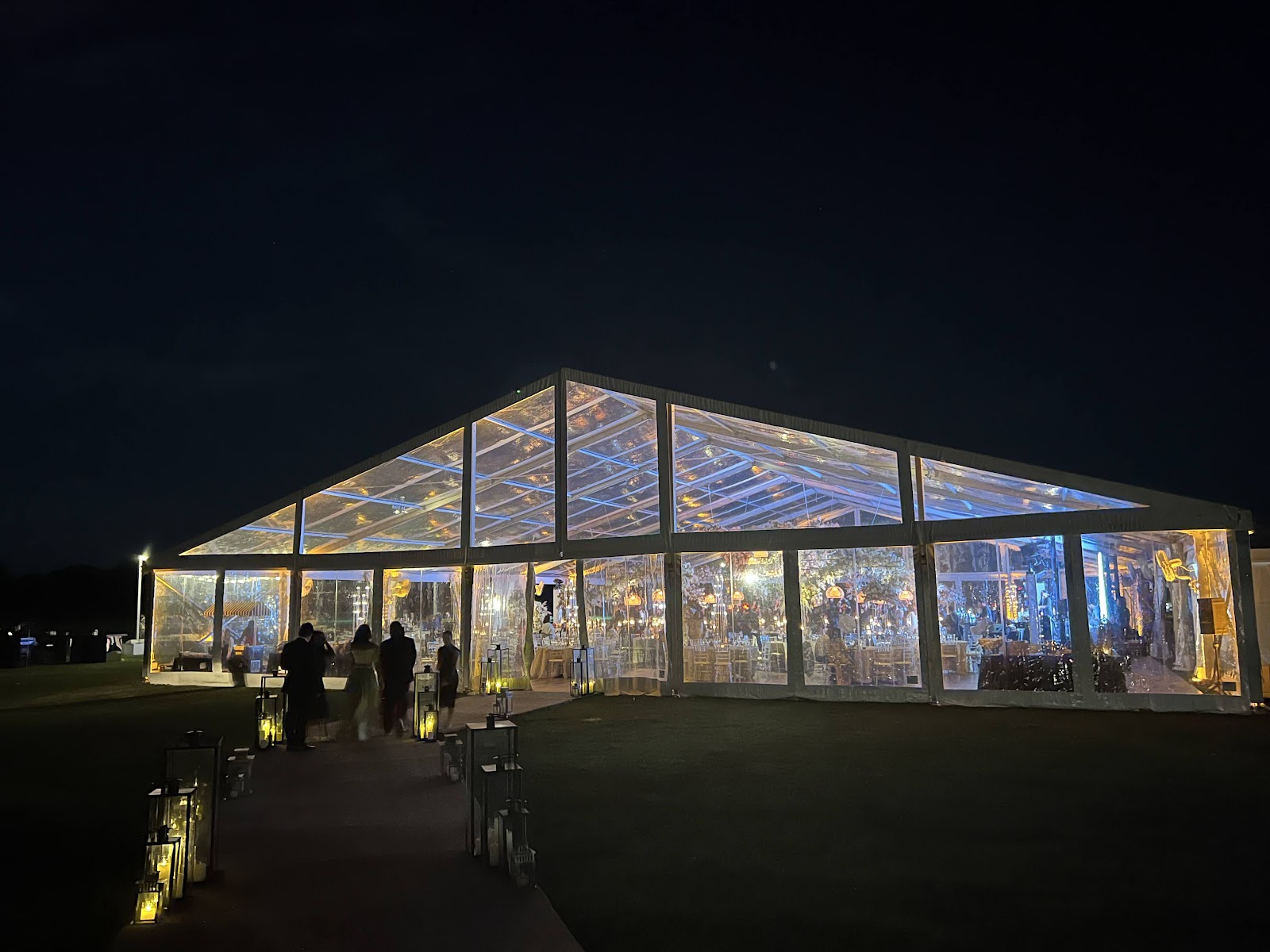
Clear-top tents are popular for weddings in Millennium Park or the Lincoln Park Conservatory, offering skyline views while protecting guests. Sailcloth tents lend a romantic vibe and are often used in North Side backyards or suburban estates. For winter weddings, frame tents with enclosed sides and heating are essential, especially in areas like South Loop or Humboldt Park. Many couples enhance tents with chandeliers, draping, and custom flooring.
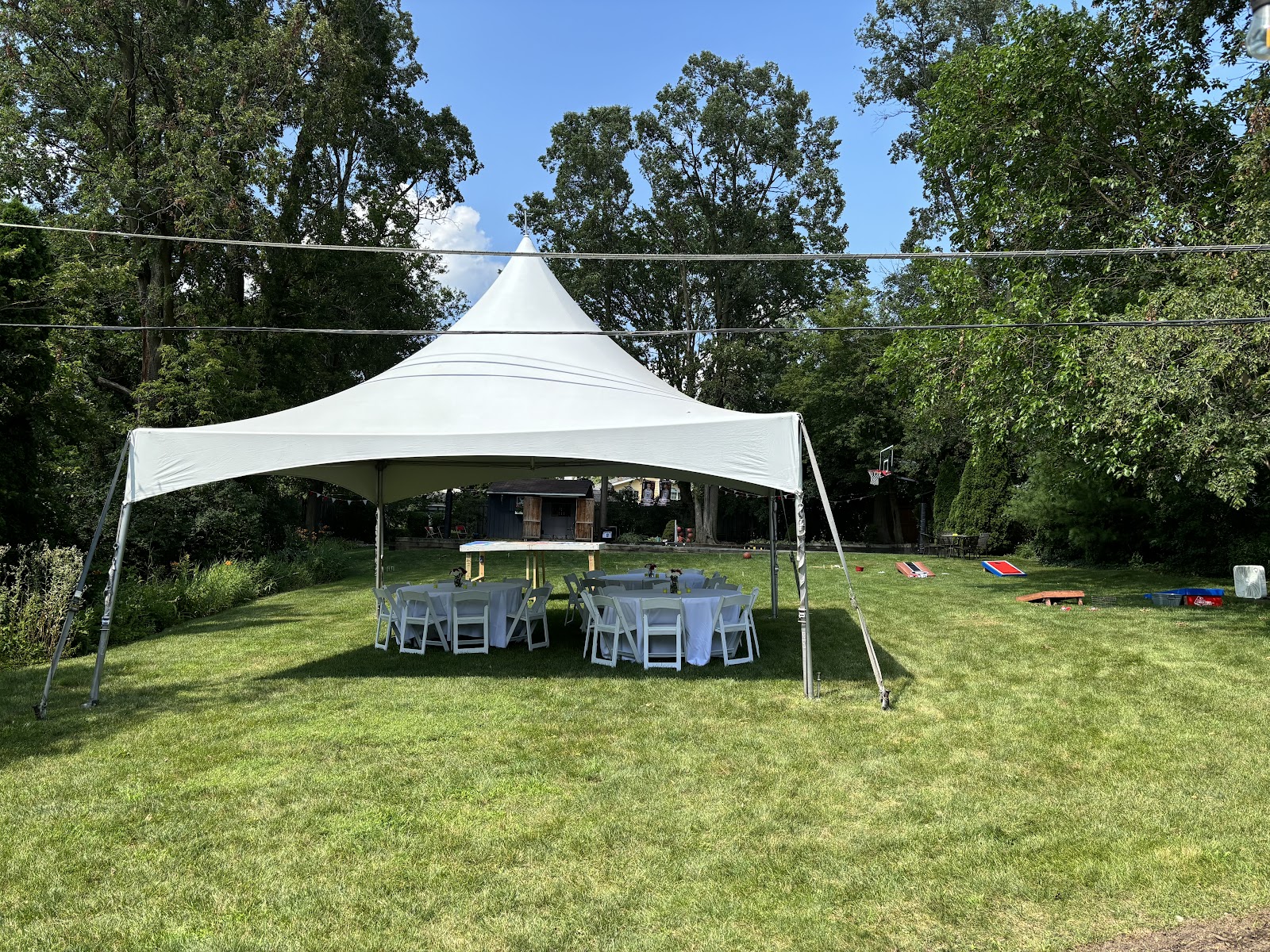
Tent rentals should be secured 6 to 12 months in advance, particularly for peak season events between May and October. Pricing varies by size and features, with small tents starting around $1,500 and full setups (including flooring and lighting) exceeding $10,000. If a tent is your primary venue, expect to spend 10-15% of your total wedding budget on tenting and infrastructure.
Local vendors understand the city’s weather patterns, venue permit requirements, and setup restrictions. Whether your event is in a public park or a private lot, Chicago-based companies are familiar with ordinances and can help secure necessary permits. They also know how to anchor tents for wind along the lakefront and provide heating for chilly spring events. Plus, they’re nearby in case of last-minute changes or emergency support.





.png)
.png)
.png)