
Our analysis shows that tent rentals are increasingly popular for Boston weddings, particularly those hosted at private estates or public parks in areas like Jamaica Plain or Brookline. With Boston’s unpredictable weather and limited indoor venue availability during peak months, couples are turning to tents to create flexible, weather-safe settings. From our observations, tents enhance both form and function, offering backup rain protection and design opportunities. Whether it’s a clear-top tent overlooking the Charles or a sailcloth tent in the suburbs, Boston couples are embracing outdoor elegance.
When choosing a tent rental company in Boston, look for providers with experience navigating city permits and site logistics. Ask about their setup timelines, anchoring systems, and weather contingency plans. Ensure they offer tent liners, flooring, and climate control options. Planner Rachel Goldstein notes, “Boston setups often require creative solutions for uneven ground or historic site restrictions, so choose a company that knows the terrain.” Also, confirm their familiarity with local fire and safety codes.
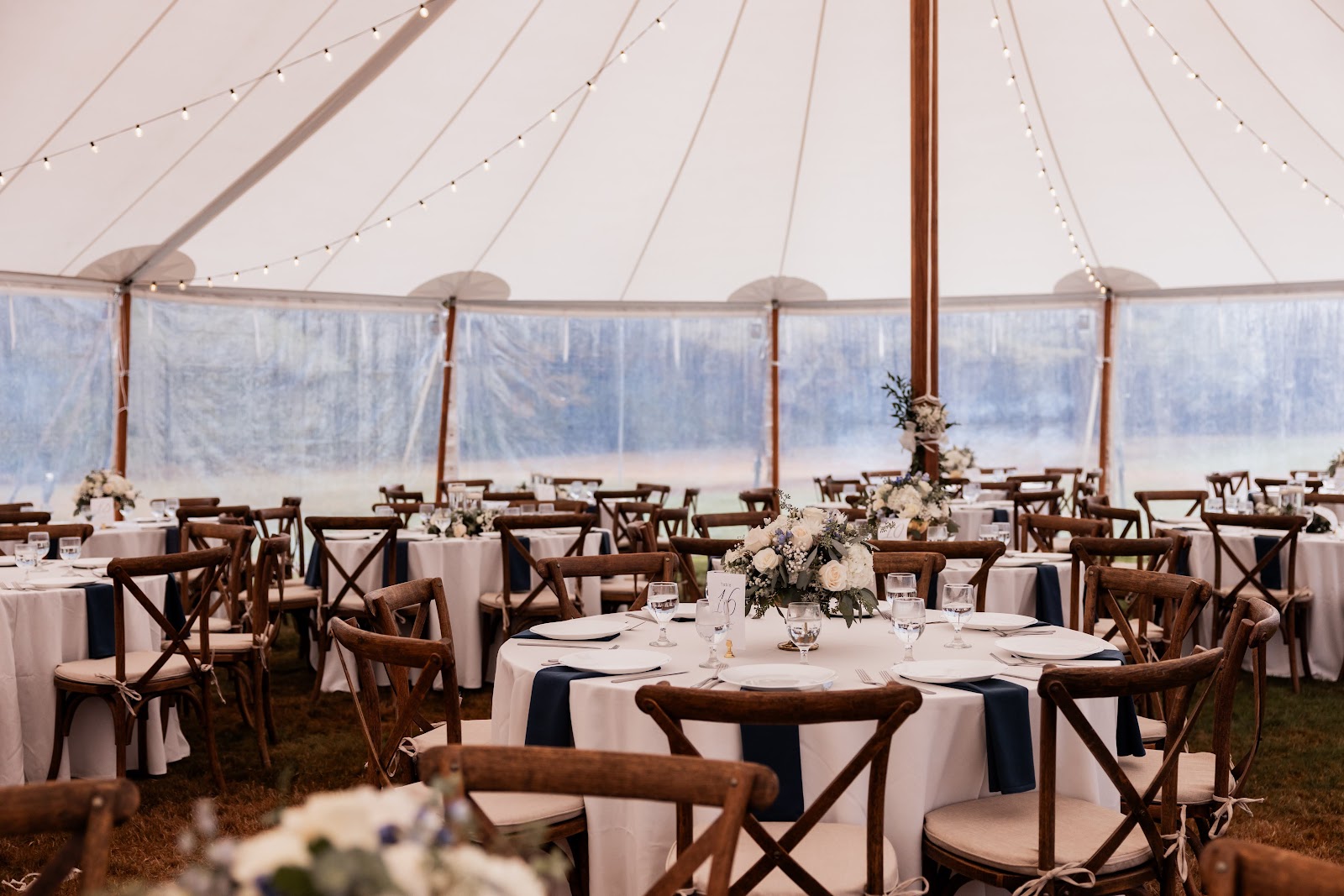
In Boston, sailcloth tents are a favorite for their airy charm and natural look, perfect for venues like Larz Anderson Park or Castle Island. Clear-top tents are popular in spring and fall, allowing skyline views while protecting guests from the elements. Frame tents with sidewalls are a smart choice for winter weddings or waterfront events where wind is a factor. Many couples customize their tents with hanging lights, greenery, and lounge furnishings to match their theme.
Tent rentals in Boston should be reserved at least 9 to 12 months in advance, particularly for prime weekends between May and October. Rental costs vary widely depending on size and extras, ranging from $2,500 for a basic setup to $10,000+ for premium packages with flooring, lighting, and climate control. Most couples allocate around 12-15% of their overall budget for tenting and related infrastructure.
Local tent companies are well-versed in Boston’s permitting process for public spaces and private residences. They understand how to handle coastal winds, urban space constraints, and historic district guidelines. Their teams are nearby for emergency maintenance or weather-related modifications. Plus, Boston-based vendors often collaborate with local planners and vendors, ensuring a smoother coordination of rentals, catering access, and electricity needs.




.png)
.png)
.png)