
Our research into Milwaukee weddings shows that stationery designers here combine Midwestern charm with modern elegance. Couples across neighborhoods like East Side and Wauwatosa are choosing custom invitations that reflect their personal style and venue aesthetic. Based on what we've learned, there's growing interest in eco-friendly materials and hand-drawn elements that nod to local landmarks or Lake Michigan views. These designers are helping Milwaukee couples set the tone for their wedding day from the very first impression.
Top qualities include attention to detail, flexibility in design style, knowledge of paper types, and communication skills. Milwaukee planner Jordan Weiss of Cream City Celebrations advises, "Find someone who can translate your story into something tangible and beautiful. The local touch makes all the difference." Consider also how well a designer adapts to local postal timelines and printing resources, especially during peak seasons.
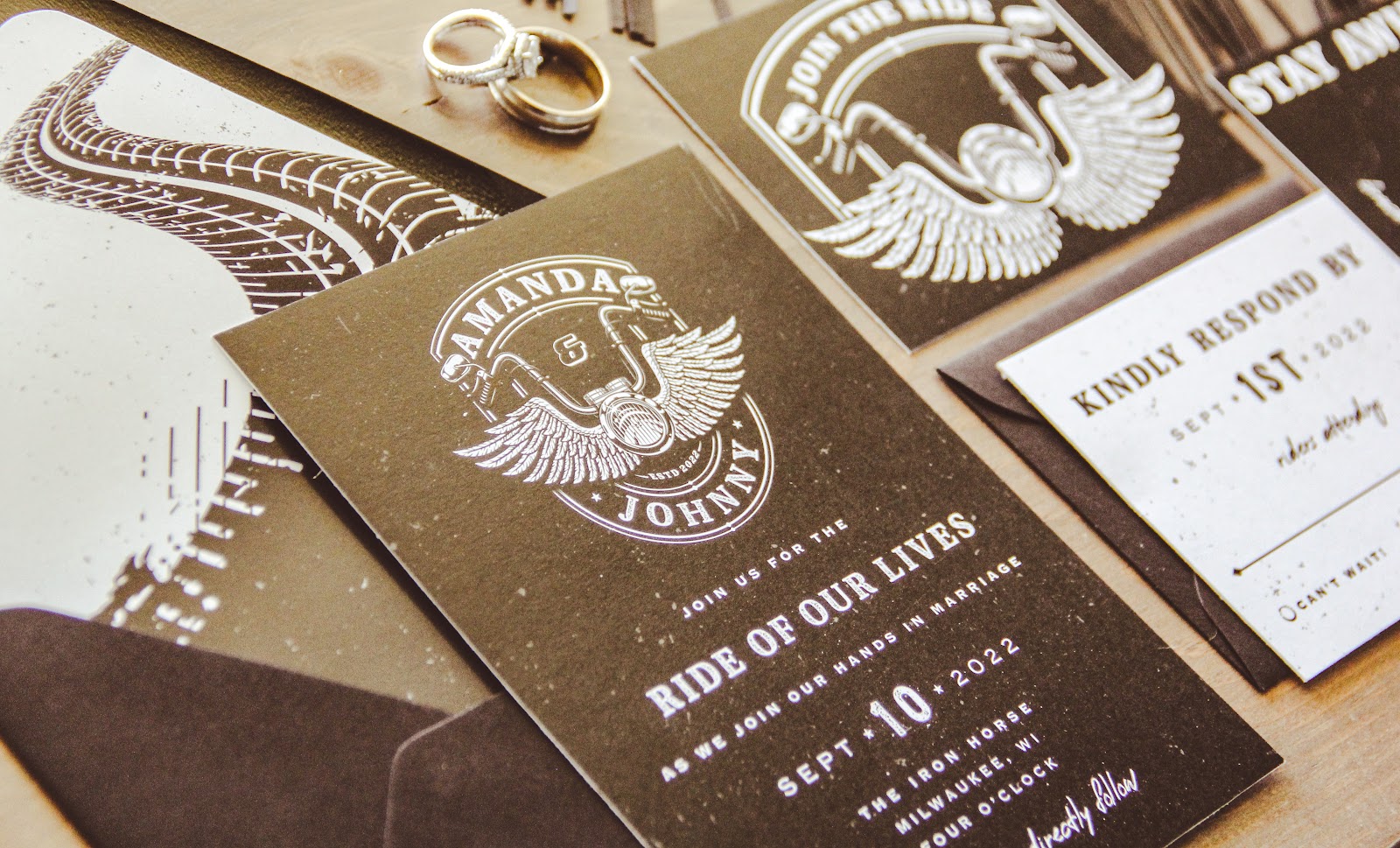
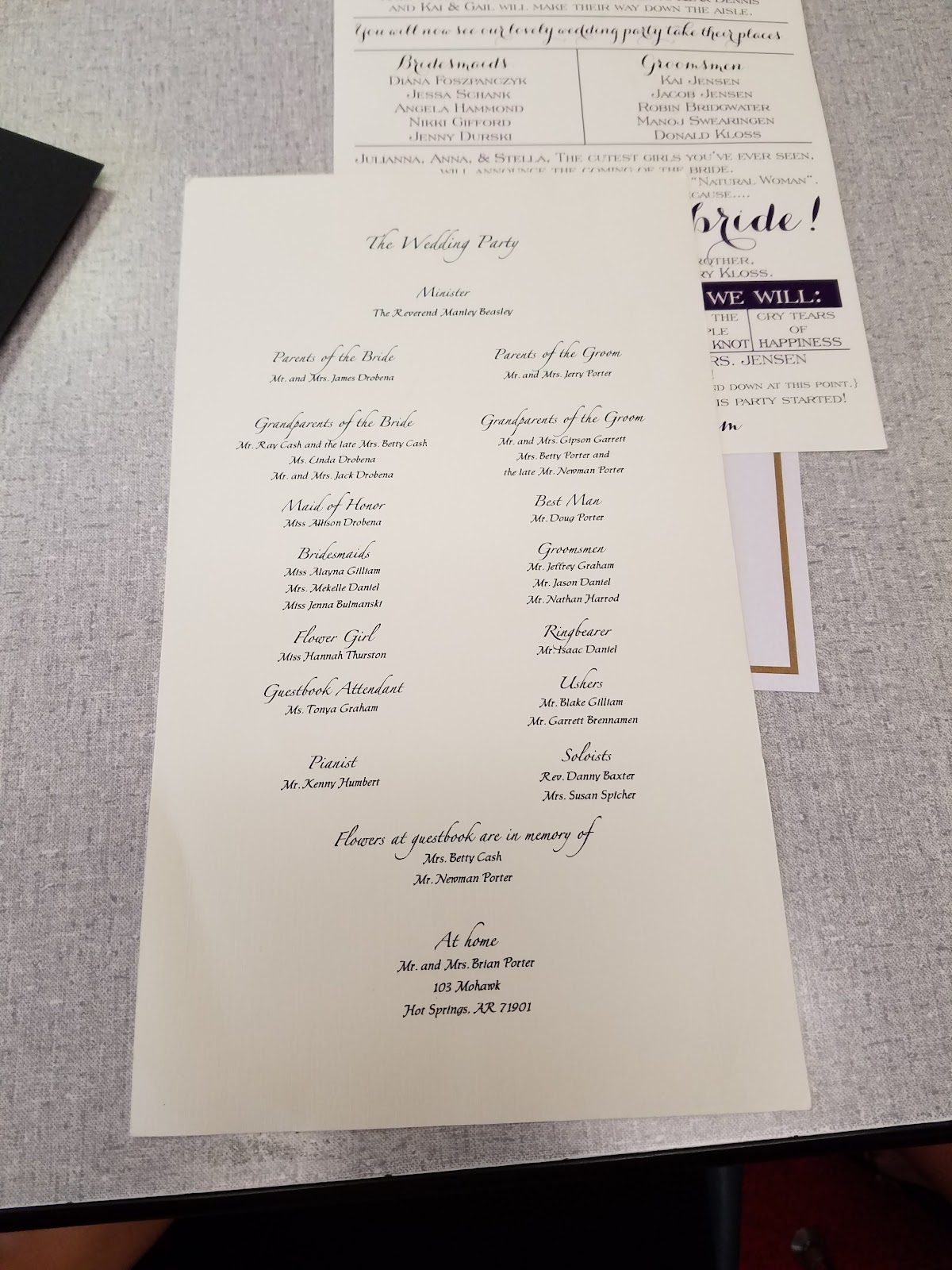
What's popular in Milwaukee right now includes watercolor illustrations of local landmarks, minimalist typography, and sustainable papers. Couples hosting events at the Milwaukee Public Market or Villa Terrace often request invitations featuring ink drawings of the skyline or lakefront. In the East Side, foil stamping and vellum overlays continue to make a statement, while West Allis weddings lean toward rustic textures and kraft paper suites.
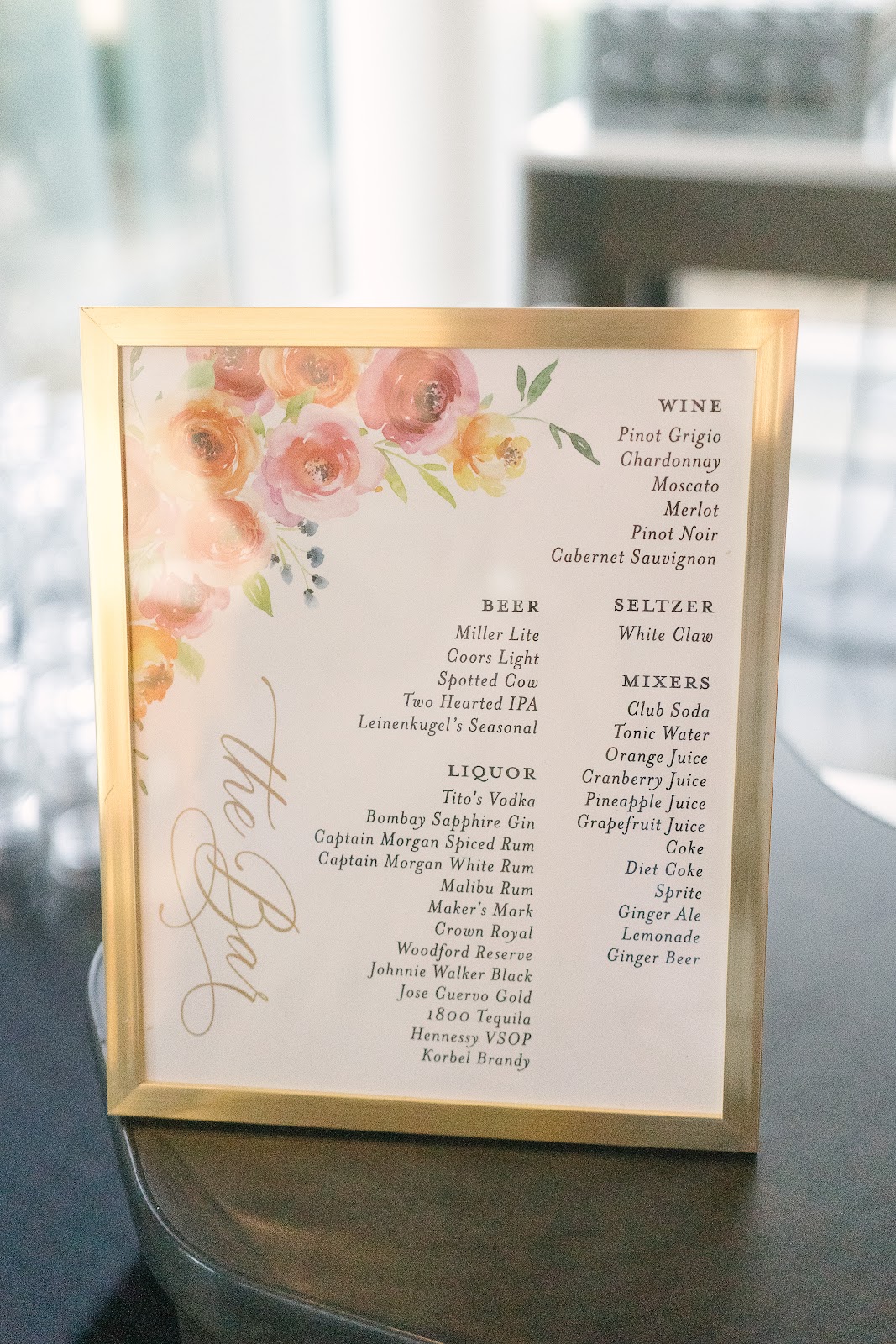
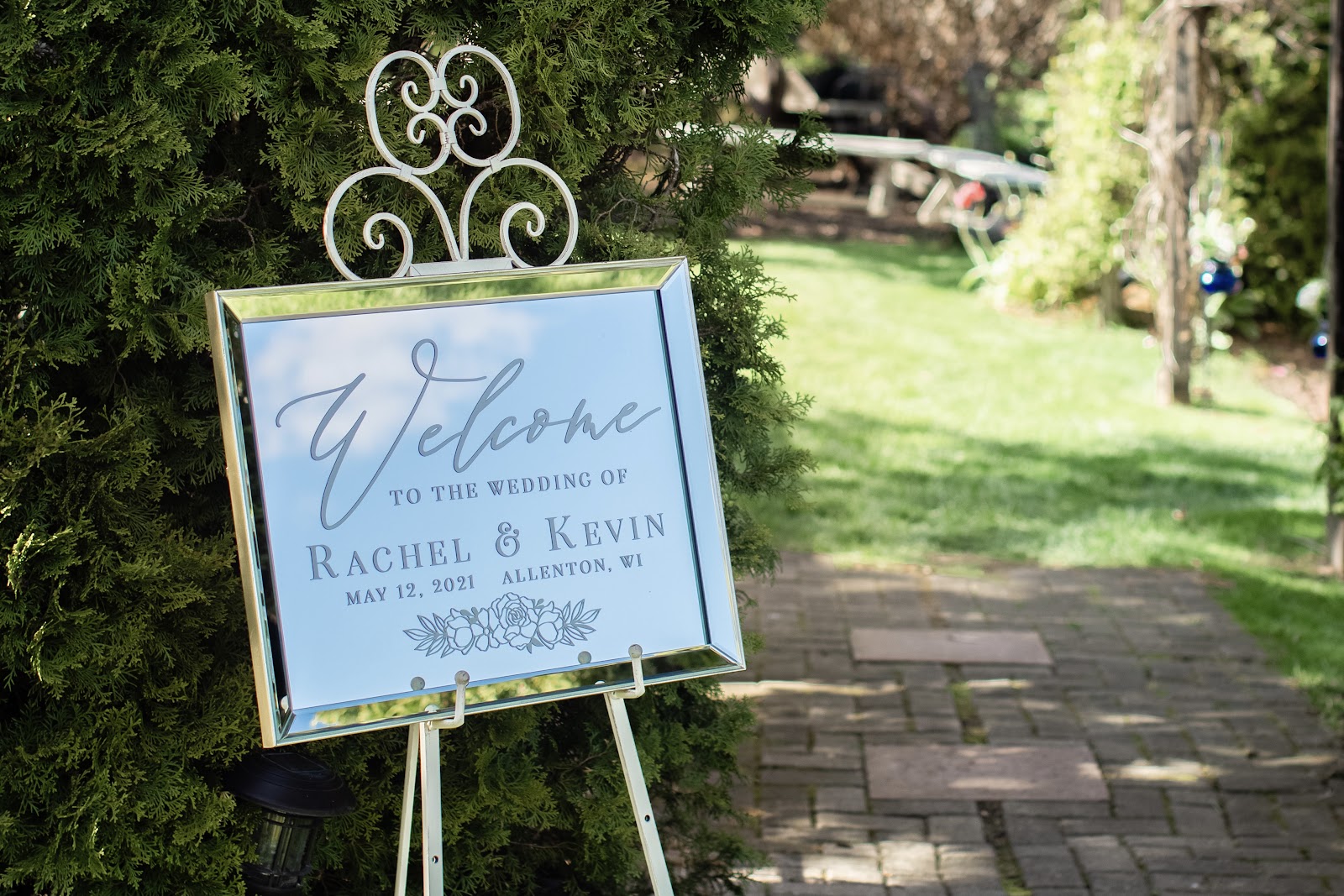
Stationery designers are typically booked 6 to 9 months ahead of the wedding, with save-the-dates going out around 8 months prior. Custom invitation suites generally cost between $500 and $1,500, depending on quantity and embellishments. The spring and summer months see a spike in demand, so early booking is key. Expect to allocate around 5-7% of your total wedding budget for stationery, including day-of signage and menus.
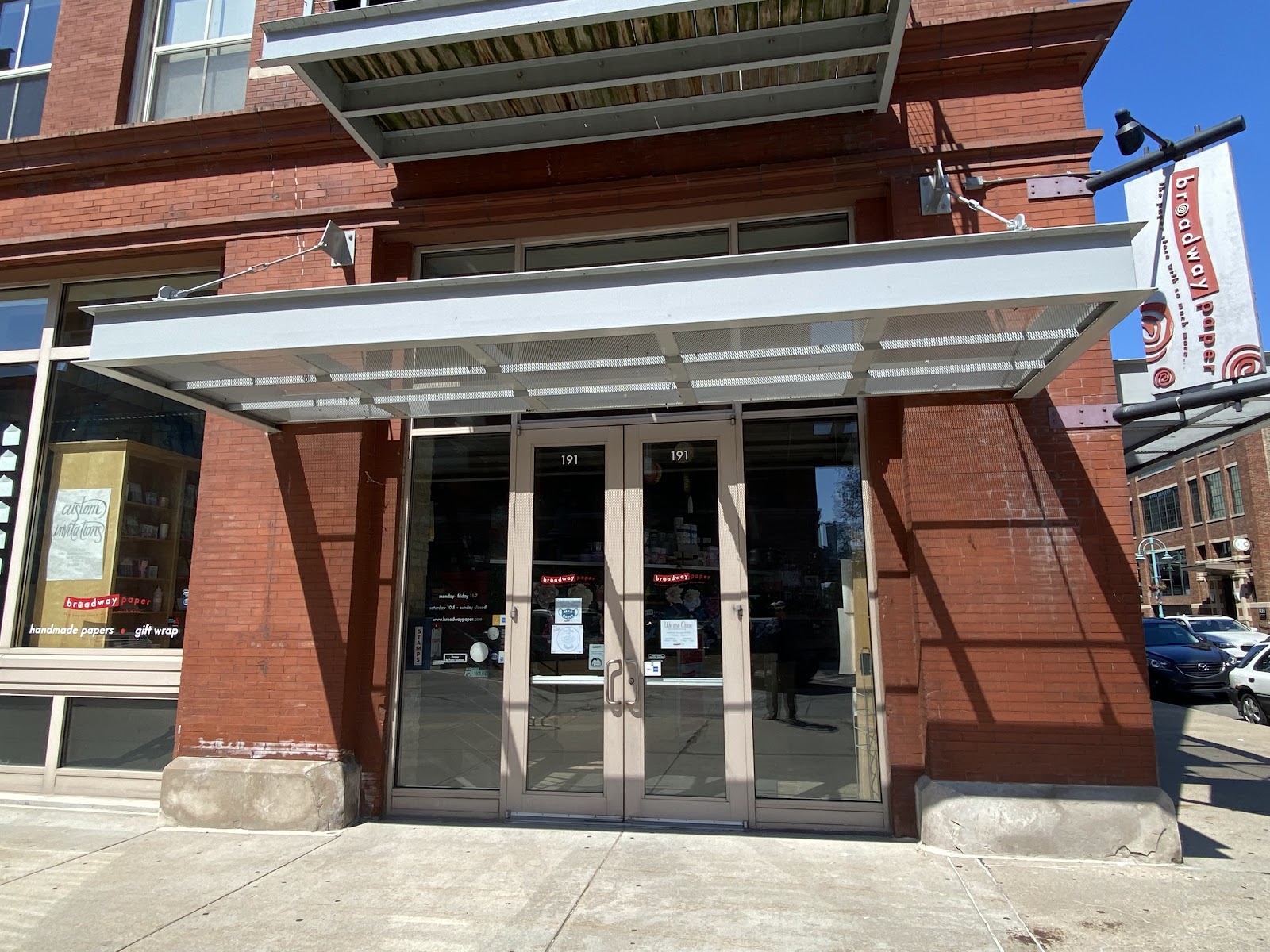
These designers understand local postal quirks, regional aesthetic preferences, and seasonal wedding rhythms. A Milwaukee-based designer can help you avoid common pitfalls like delayed shipments during winter or misjudging local tastes. Their proximity also makes in-person consultations feasible, especially helpful at key stages like choosing paper samples or reviewing proofs. Their networks often include local printers, calligraphers, and event planners, streamlining your entire planning process.




.png)
.png)
.png)