
Our research into Aurora shows that wedding limousine services are a top choice for couples seeking both luxury and reliability on their big day. With venues spread across areas like Green Valley Ranch and Meadow Hills, having dependable transportation is essential. Based on what we've seen, Aurora couples often prioritize comfort, punctuality, and aesthetic when choosing their limo provider. From classic stretch limos to party buses, the city offers a range of options to suit different styles and group sizes.
When choosing a wedding limo service in Aurora, look for professionalism, vehicle variety, punctuality, and transparent pricing. As wedding planner DeShawn Carter of Carter Coordination notes, "Traffic around I-225 and Parker Road can be unpredictable, so a local driver who knows the area is key." Also consider availability of extras like champagne service or red carpet treatment, and whether the provider offers multiple pickups for large groups.
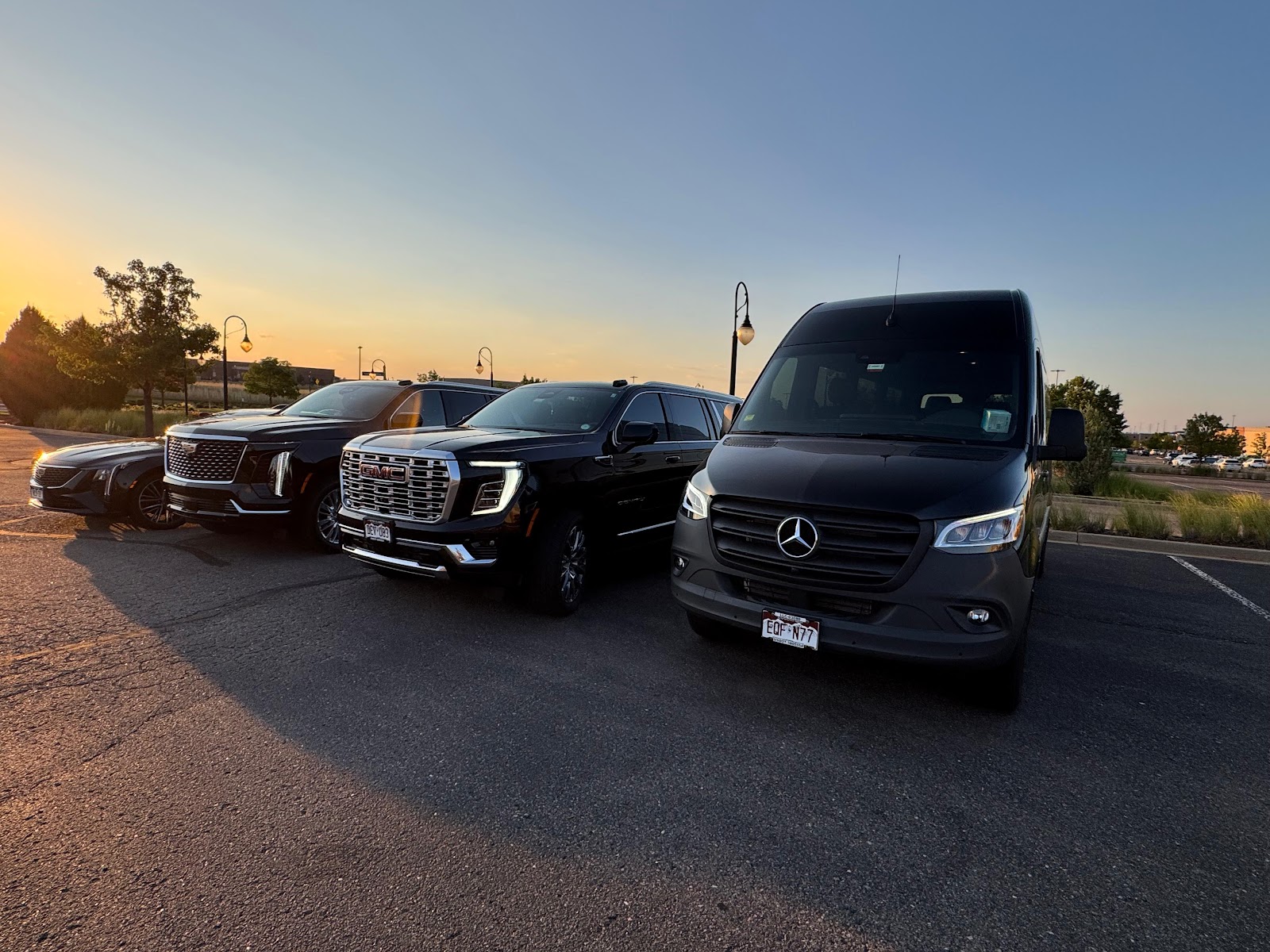
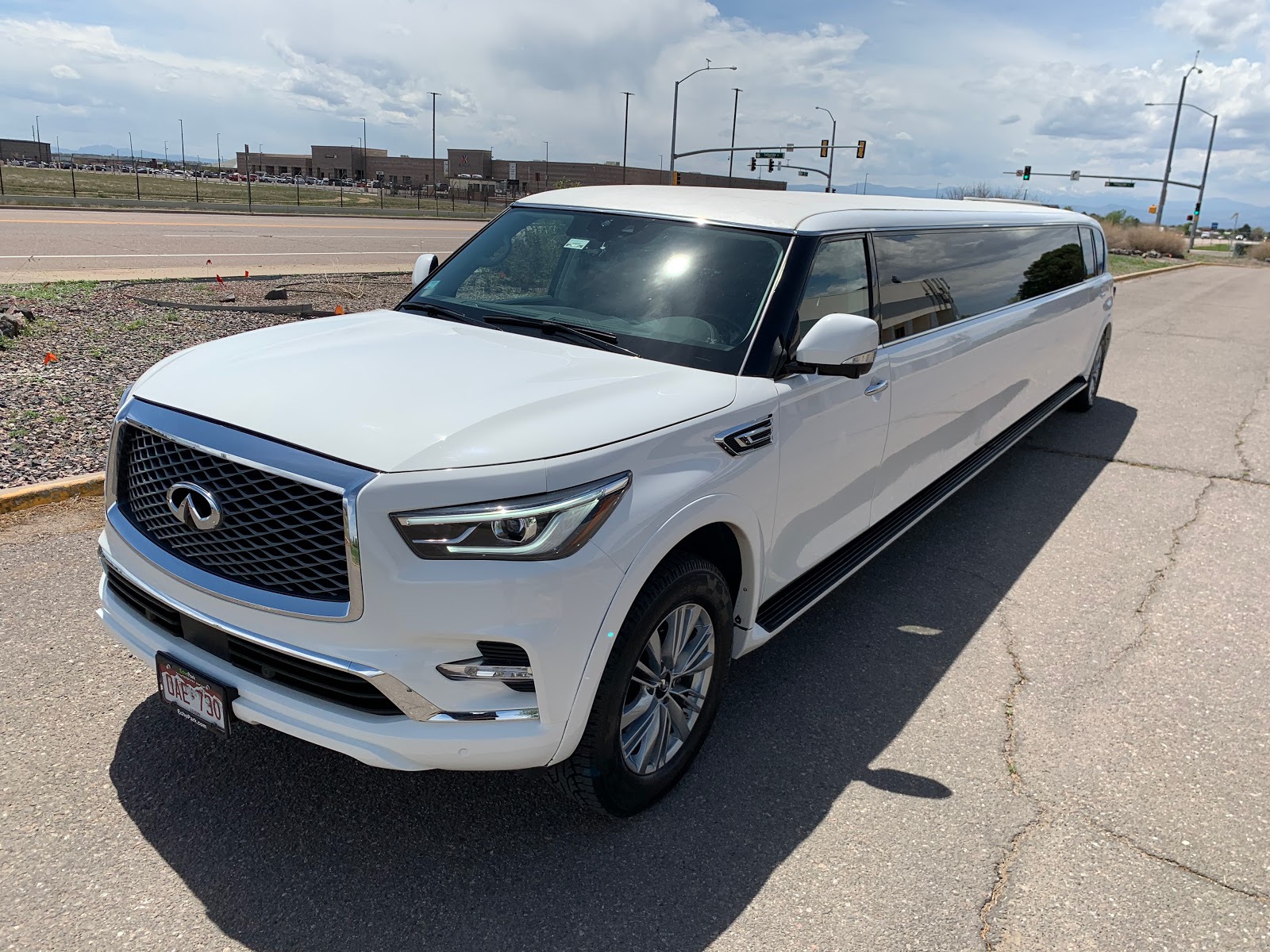
Stretch SUVs and vintage cars are trending for weddings in Aurora, especially for events at scenic venues like Stanley Marketplace. For larger wedding parties, luxury party buses with multimedia setups are common picks in neighborhoods like Saddle Rock. Couples often use limos not just for arrival, but also for photo ops, especially when the vehicle matches the wedding theme or color palette.
Our analysis shows that couples typically book limousine services 8 to 12 months in advance, especially during the busy summer season. Pricing ranges from $400 for a basic sedan rental to $1,800 or more for luxury party buses. Transportation usually accounts for 5-8% of the total wedding budget. Peak demand runs from May to September, so early reservations are crucial for those months.
Local limo companies understand the layout and traffic patterns of Aurora, which can vary widely between neighborhoods like Mission Viejo and East Colfax. They also have established relationships with popular venues and are familiar with loading zones and timing restrictions. In a city where weather can shift quickly, local providers are better equipped to adapt, whether it’s rerouting due to a storm or arriving early to beat a heatwave.


.png)
.png)
.png)