
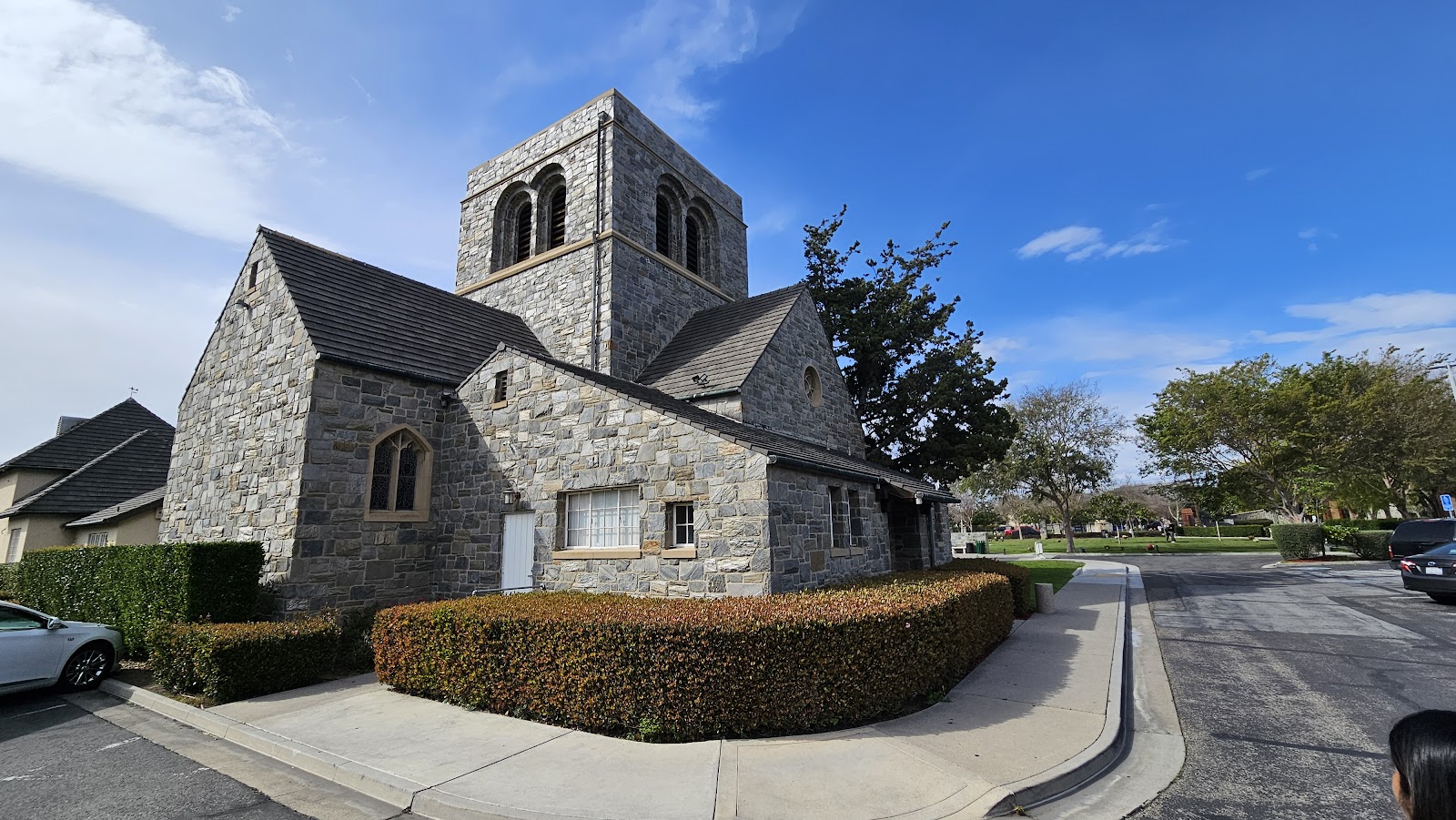
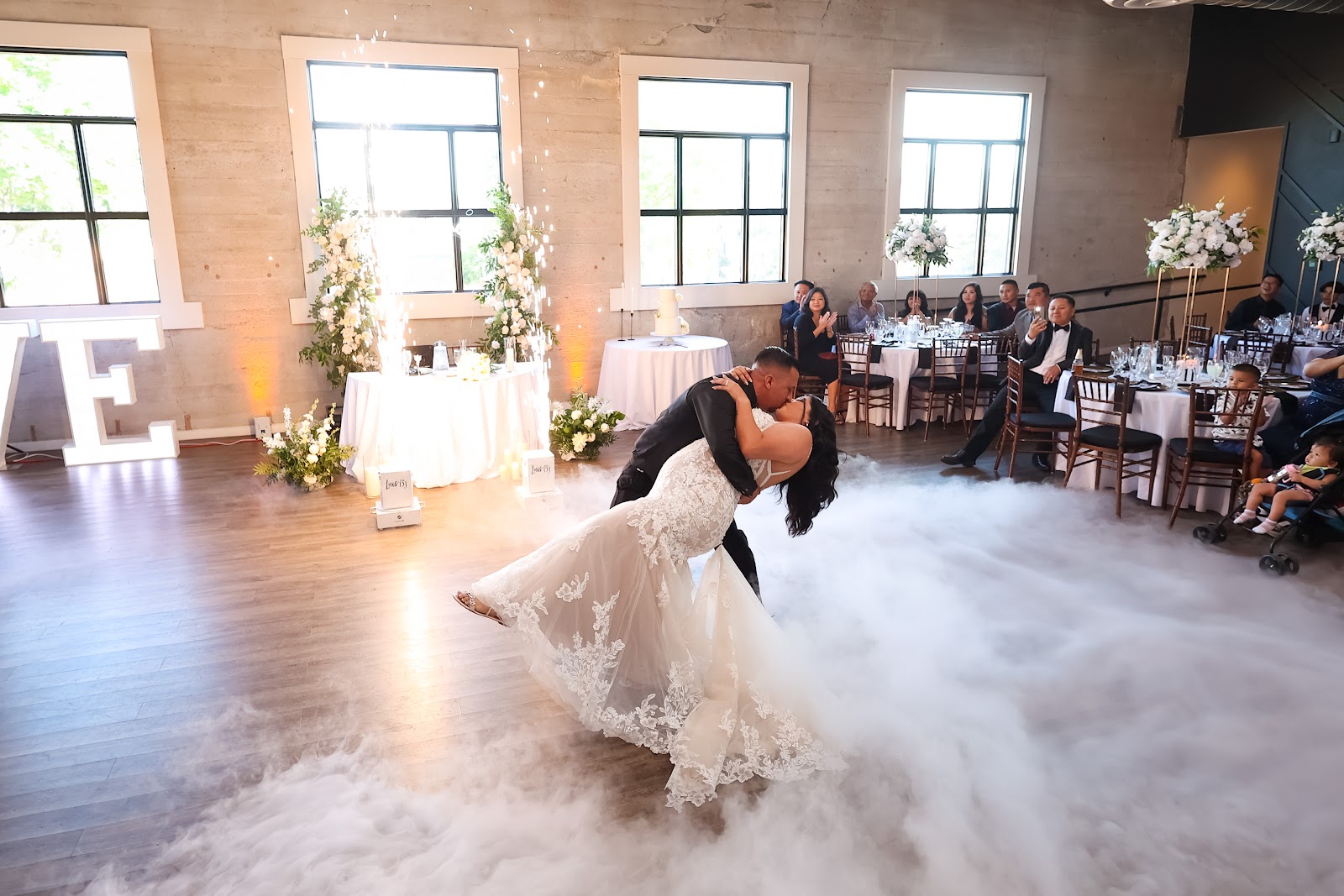
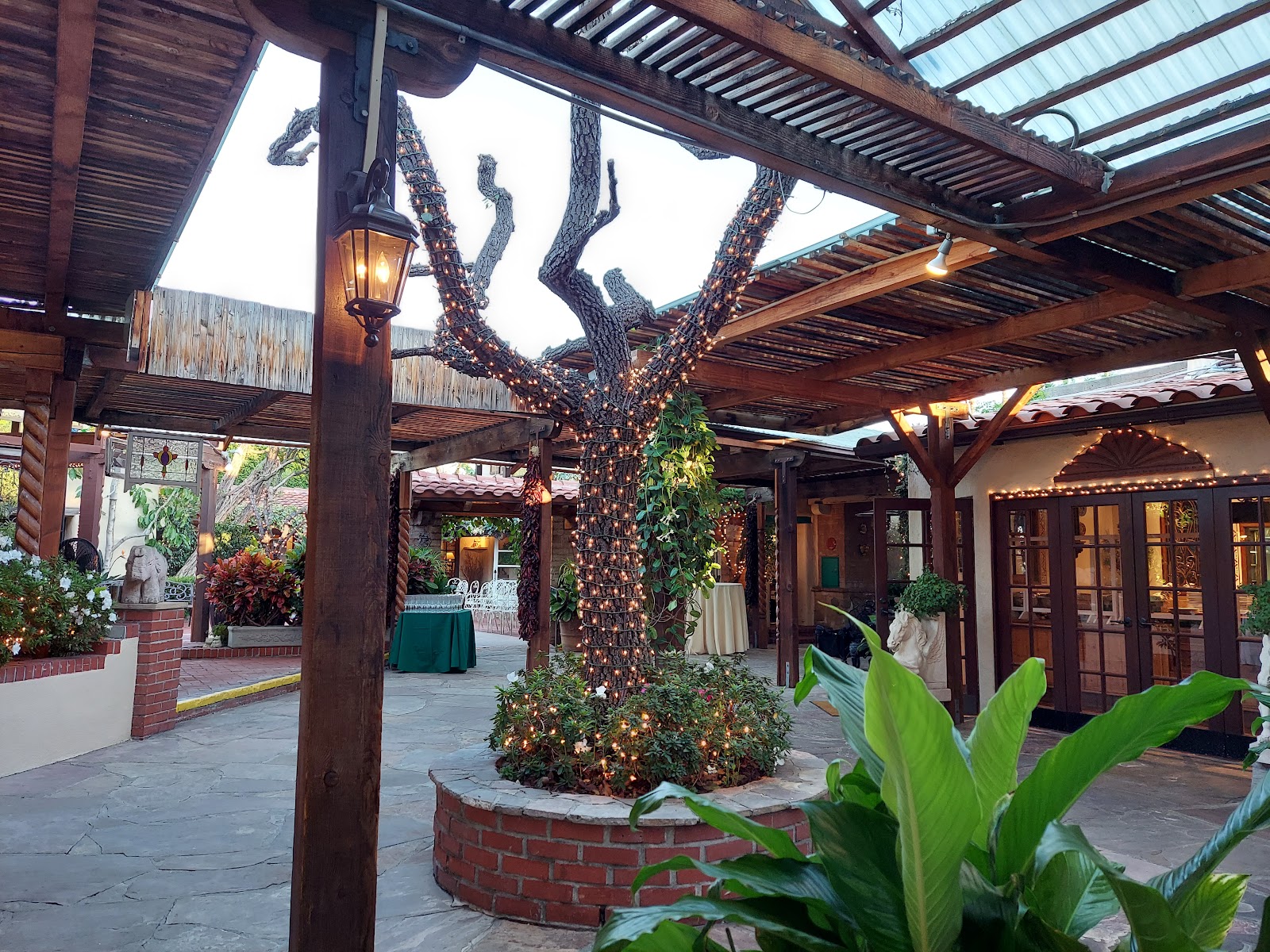
Based on what we've seen at weddings in Santa Ana, ceremony venues in this city range from historic landmarks to lush garden settings. From intimate chapels in the Lacy neighborhood to grand venues like the Bowers Museum, couples have a variety of options. Our research into Santa Ana weddings shows that outdoor venues are especially popular due to the city’s warm, dry climate most of the year. What we've learned is that many couples prioritize accessibility, cultural significance, and aesthetic variety when selecting a ceremony location here.
When evaluating venues in Santa Ana, consider capacity, parking availability, and proximity to reception spaces. Outdoor options should offer shade or canopy options due to sun exposure. Venues with cultural or historical roots are highly valued. Local planner Rosa Delgado notes, "Santa Ana couples often want a venue that reflects their family's heritage and offers both beauty and practicality." Accessibility for older guests and bilingual staff are additional advantages to look for.
Popular ceremony venues in Santa Ana include the Heritage Museum of Orange County, known for its Victorian charm, and The Estate on Second, which offers a blend of history and modern style. Outdoor garden ceremonies are trending, especially in Floral Park or Santiago Park. Many couples are also incorporating cultural traditions, like lasso ceremonies or mariachi performances, into their venue selection and layout planning.
Our analysis shows that couples begin scouting venues 12 to 18 months before their wedding. Ceremony venue costs vary widely, from $1,000 for smaller chapels to $6,000 or more for larger estates or cultural centers. Venues typically make up 15-20% of the total wedding budget. The most popular months for ceremonies are April through October due to ideal weather conditions, so early booking is essential.
Local venues understand and cater to the specific needs of Santa Ana couples, including bilingual services and cultural traditions. They also handle the city’s permitting processes and are familiar with seasonal weather patterns, which helps in planning for contingencies like extra shade or hydration stations. Proximity to local vendors and accommodations, especially in central neighborhoods like French Park, makes logistics smoother for everyone involved.


.png)
.png)
.png)