
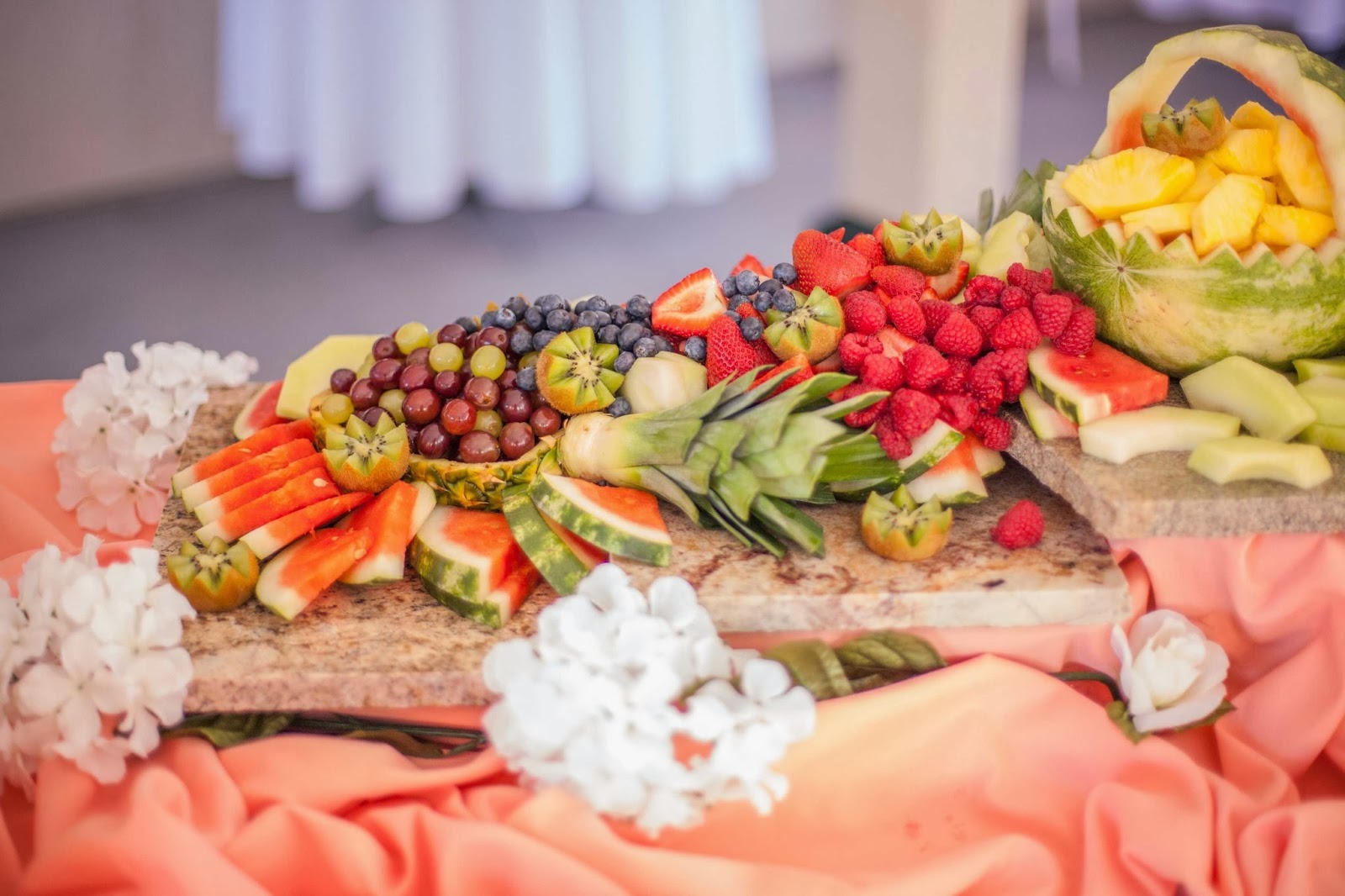
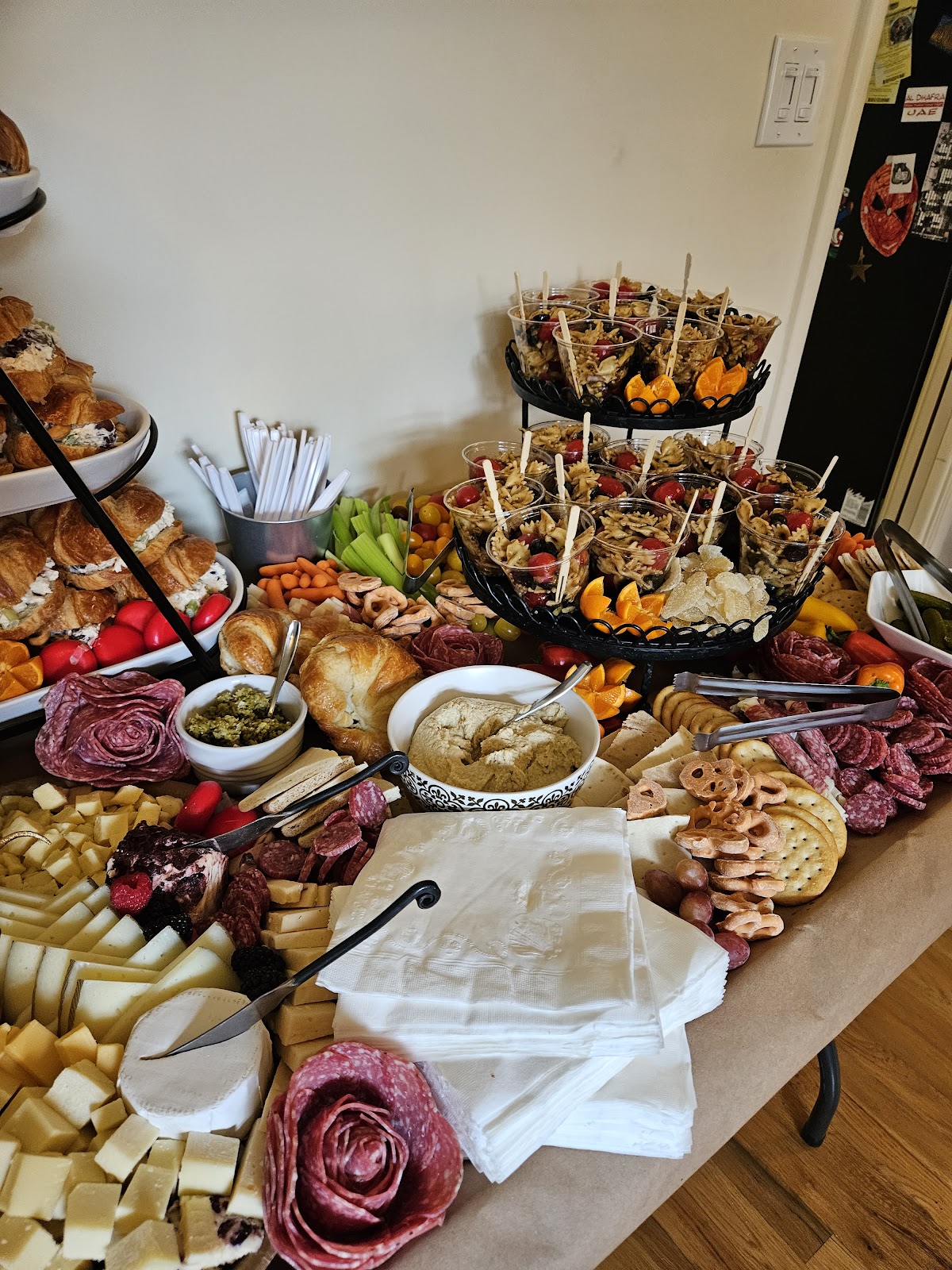
From what we've learned about Boise weddings, food is more than just a meal—it's a reflection of the region’s flavors and the couple’s personality. Our research into Boise shows that farm-to-table catering and locally sourced menus are highly favored, aligning with Idaho’s agricultural richness. Whether you're planning a formal dinner downtown or a relaxed barbecue in the Boise Foothills, the right caterer can enhance the guest experience. Boise wedding caterers are known for blending rustic comfort with culinary creativity.
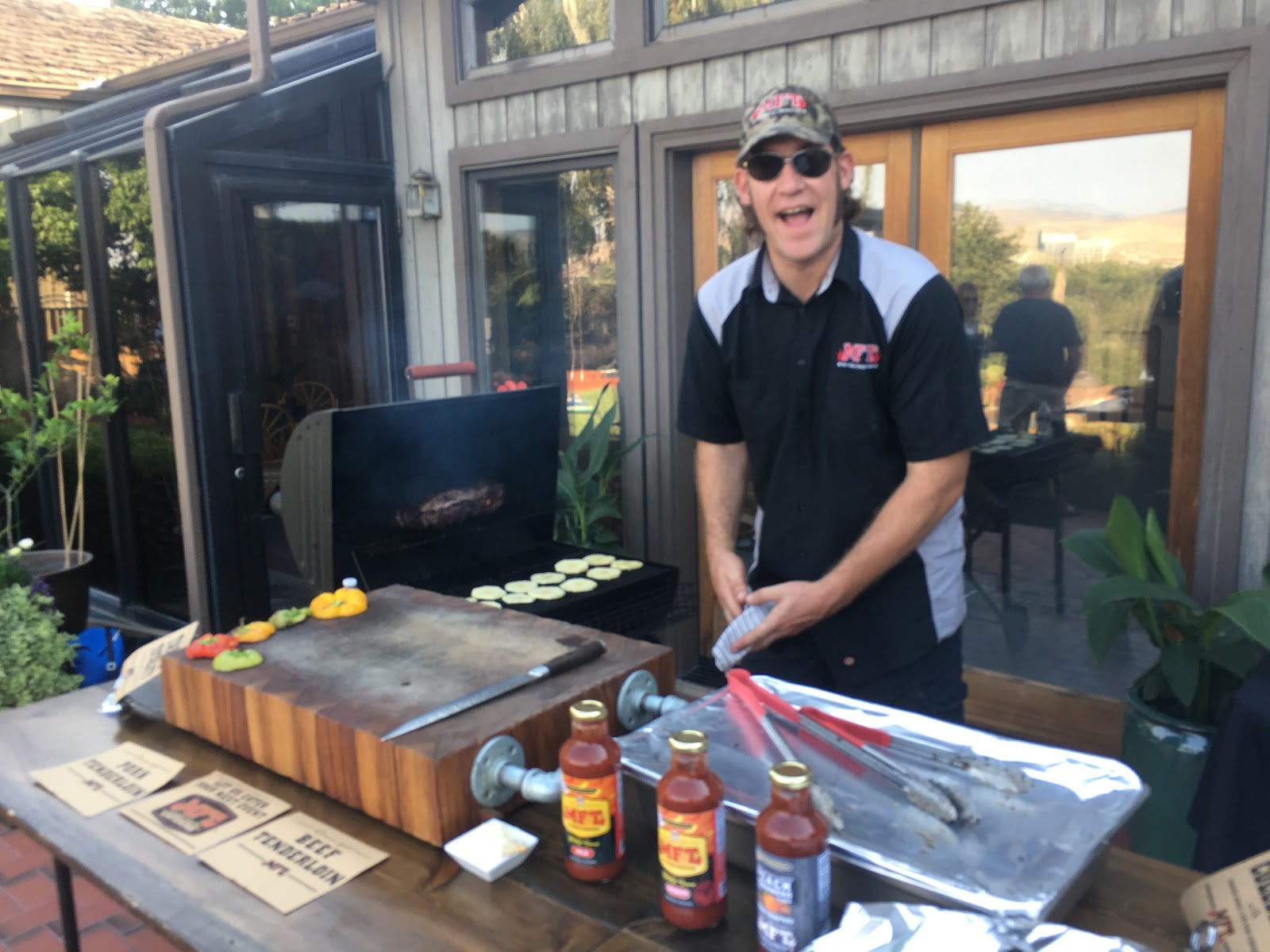
Boise couples should look for caterers who offer flexible menu options, accommodate dietary needs, and use local ingredients when possible. It's also essential to find a team that can handle the logistics of off-site service, especially for venues in rural areas or those without full kitchens. Tasting sessions and clear communication are key. Local planner Megan Albright says, "With so many outdoor weddings here, caterers have to be prepared for everything from wind to uneven terrain. Experience matters."
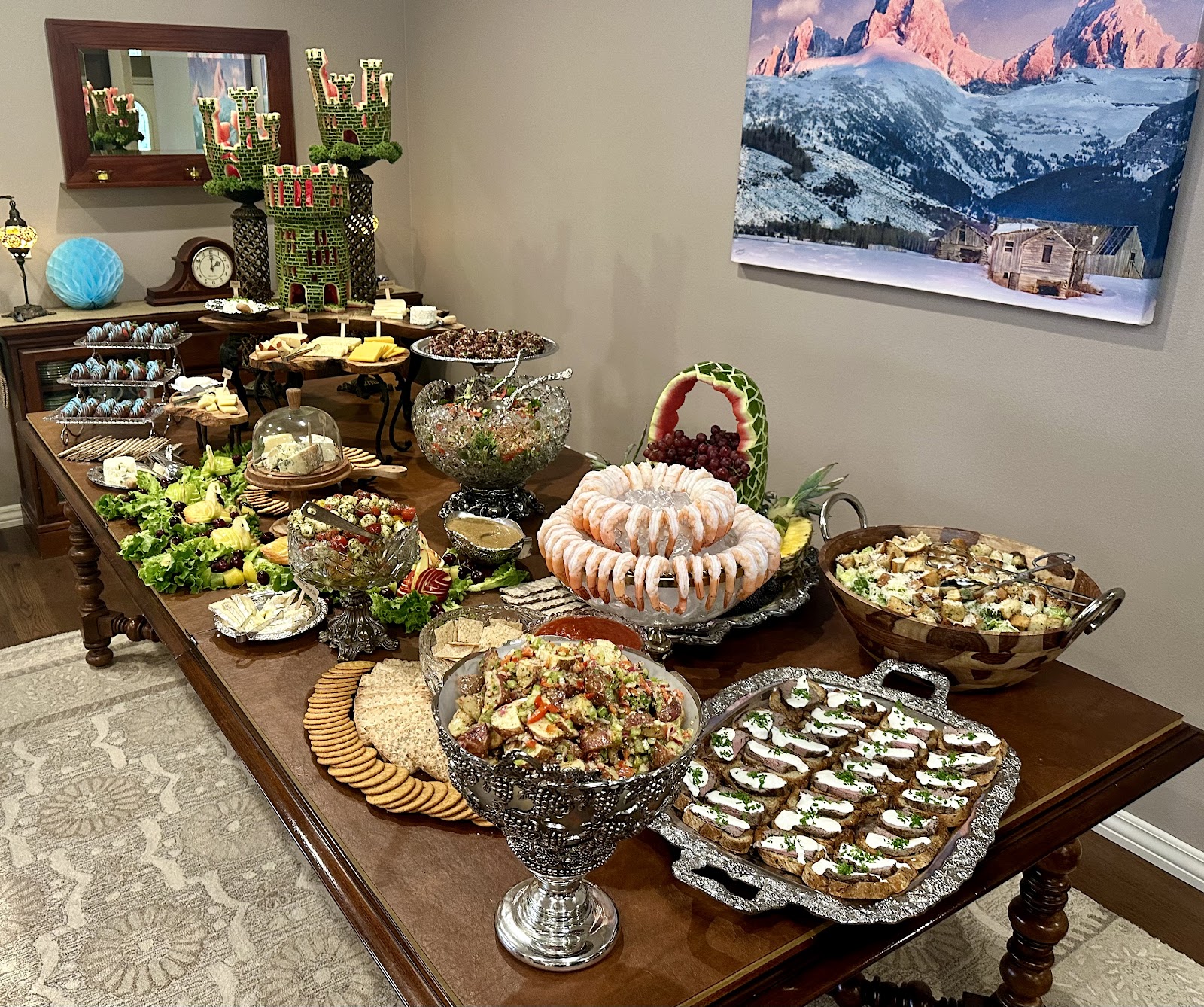
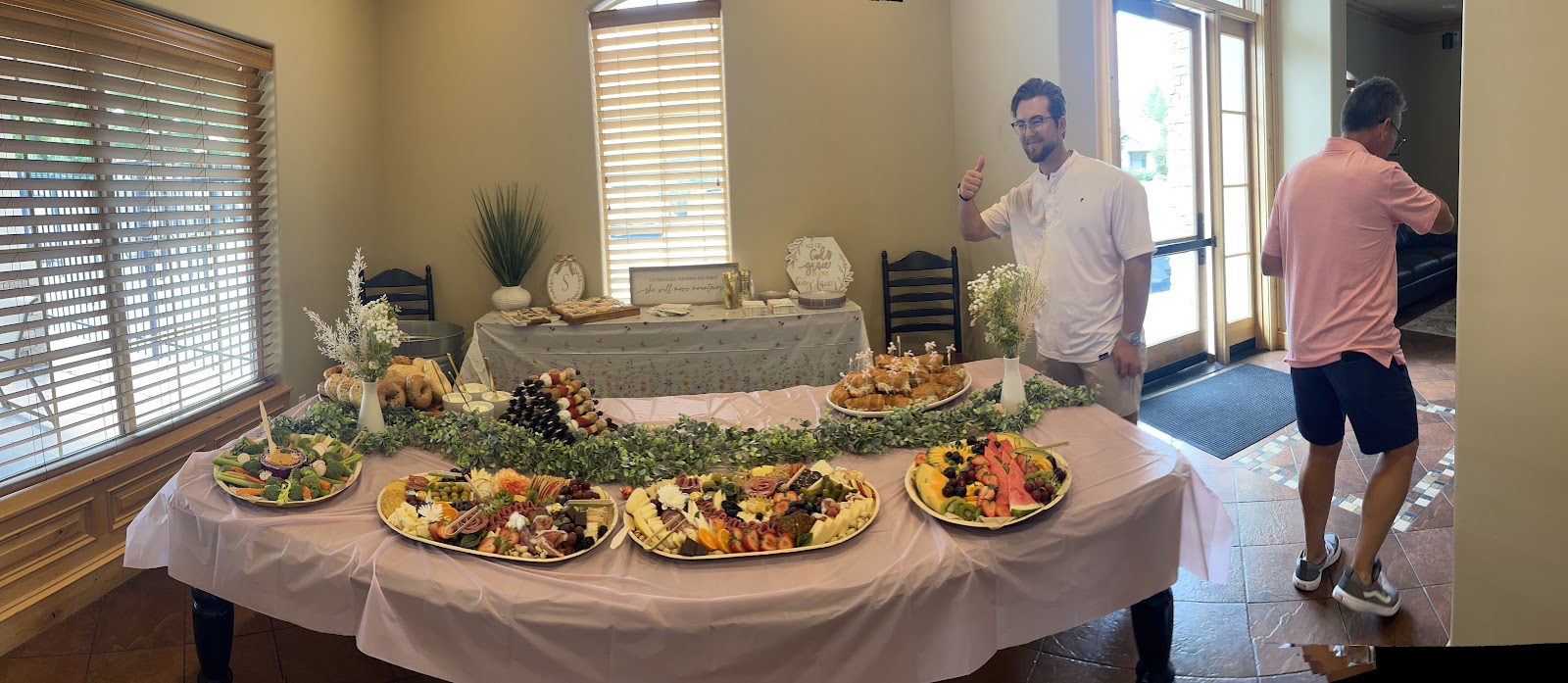
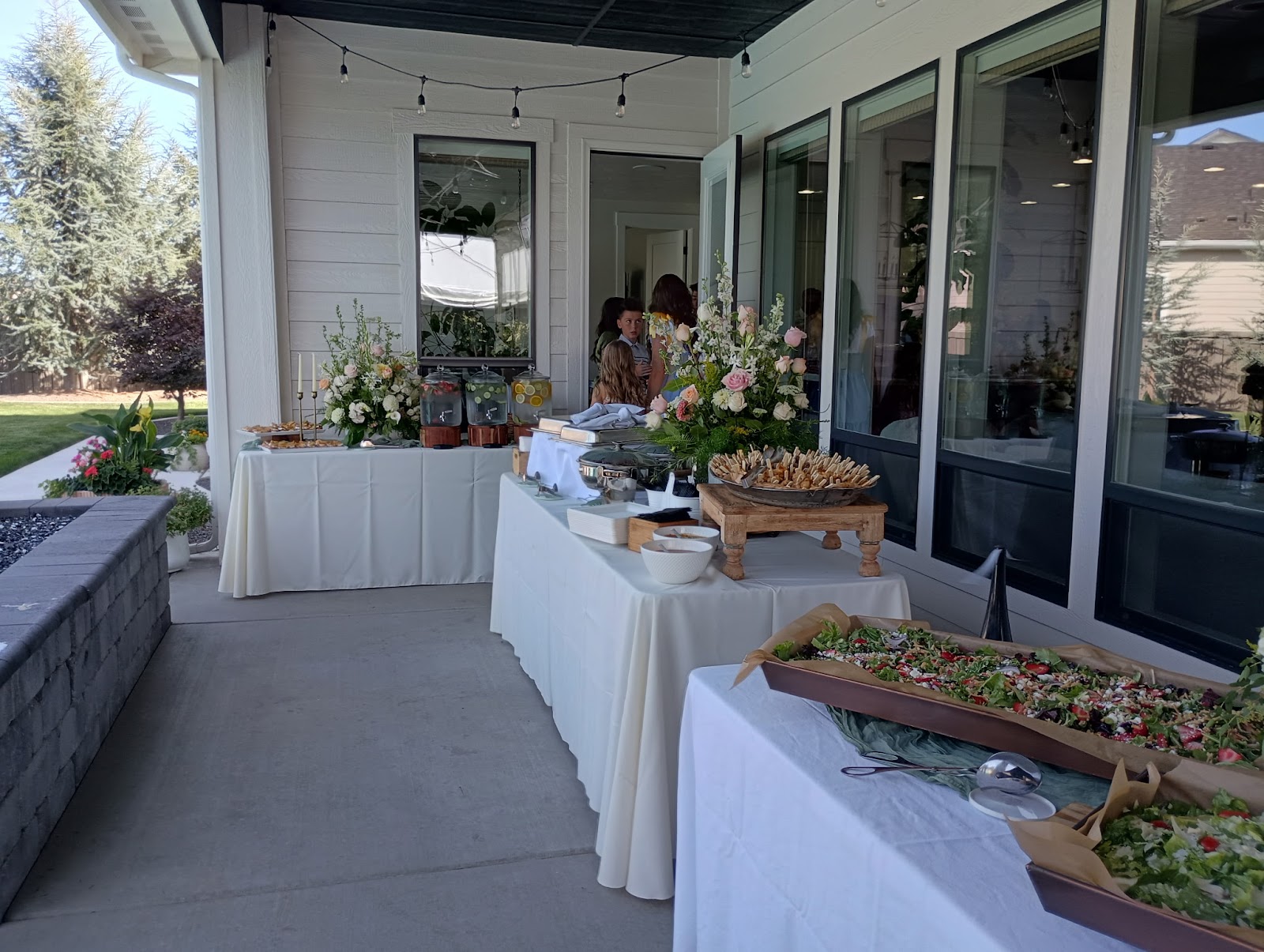
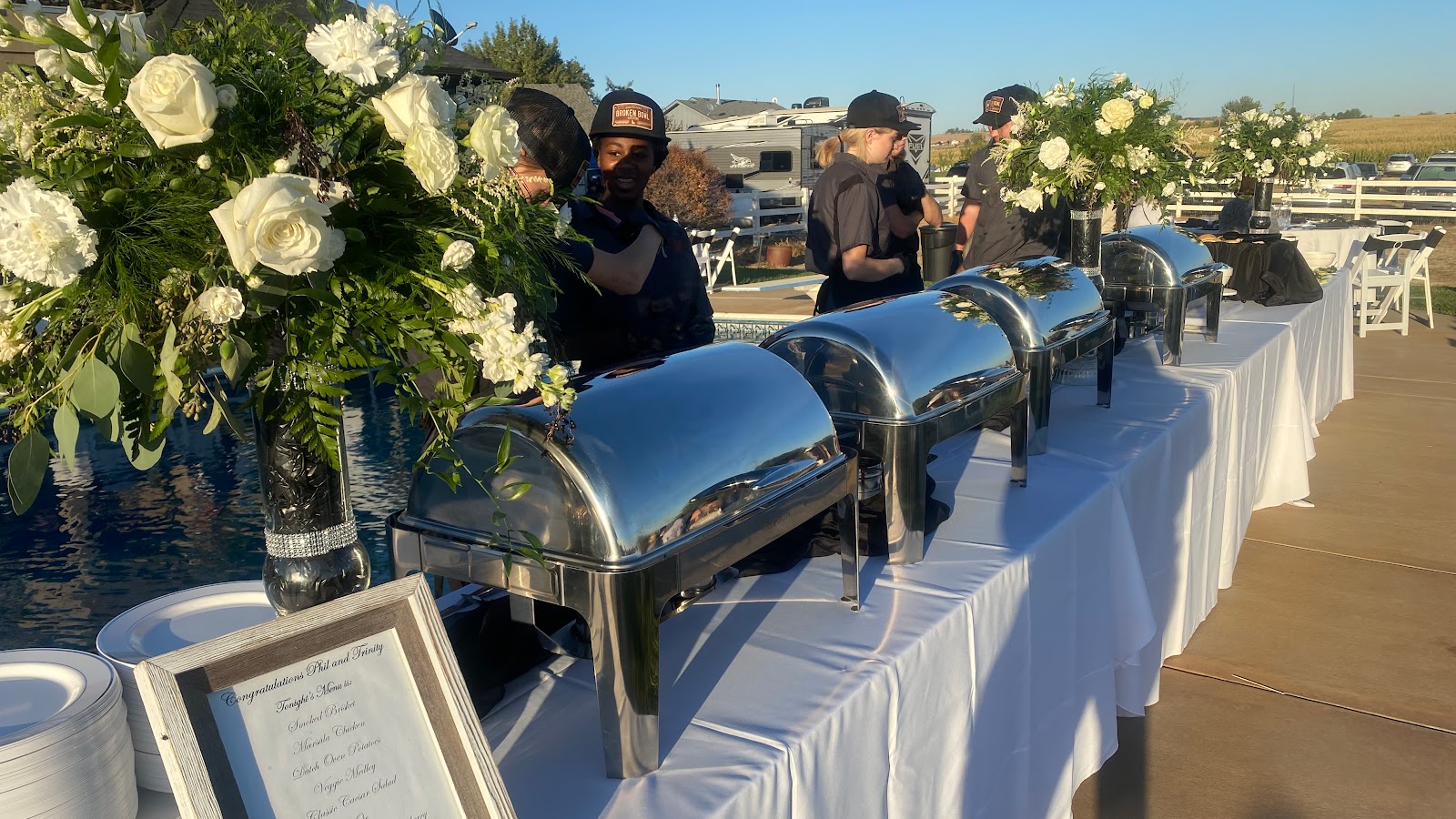
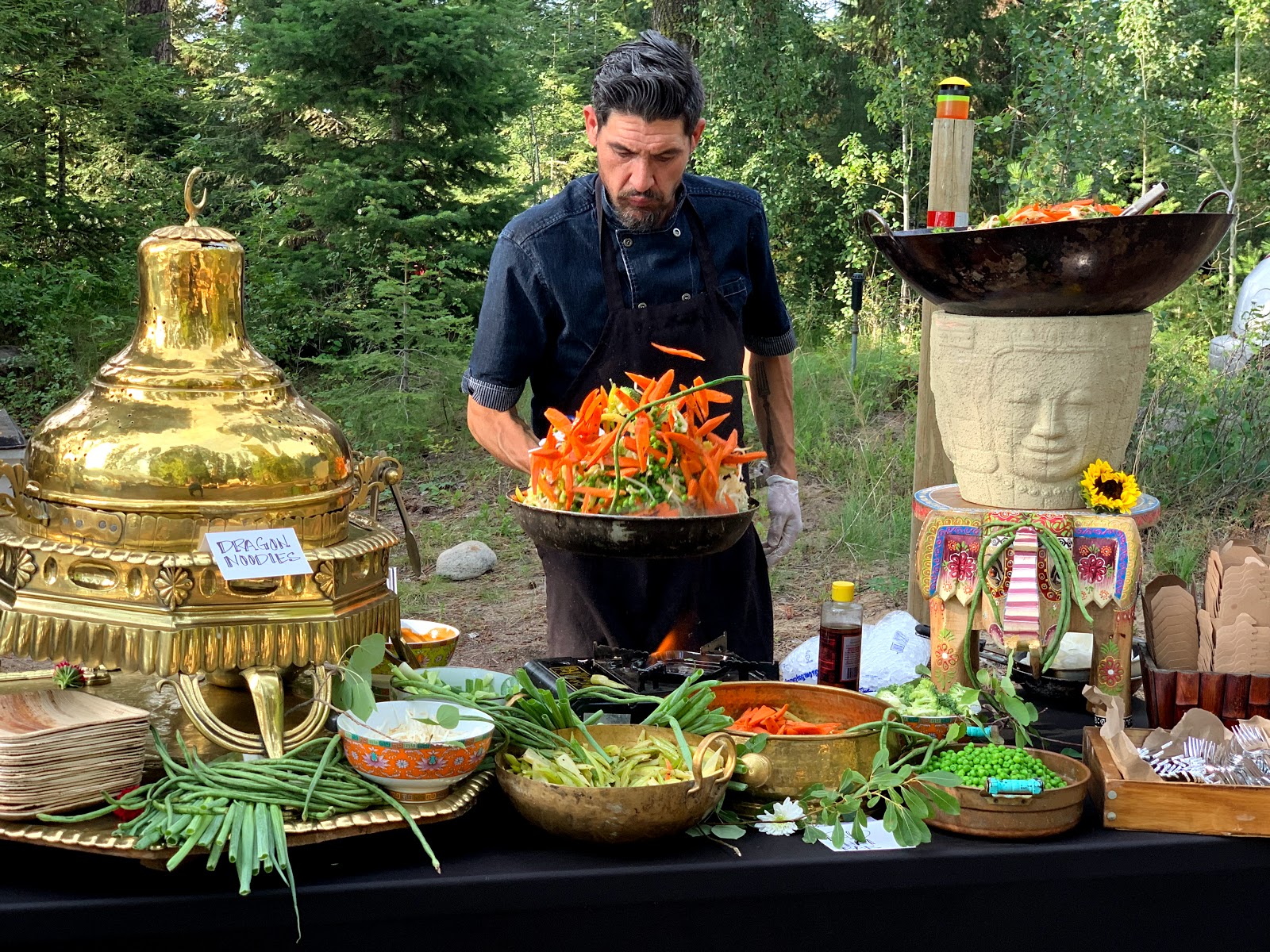
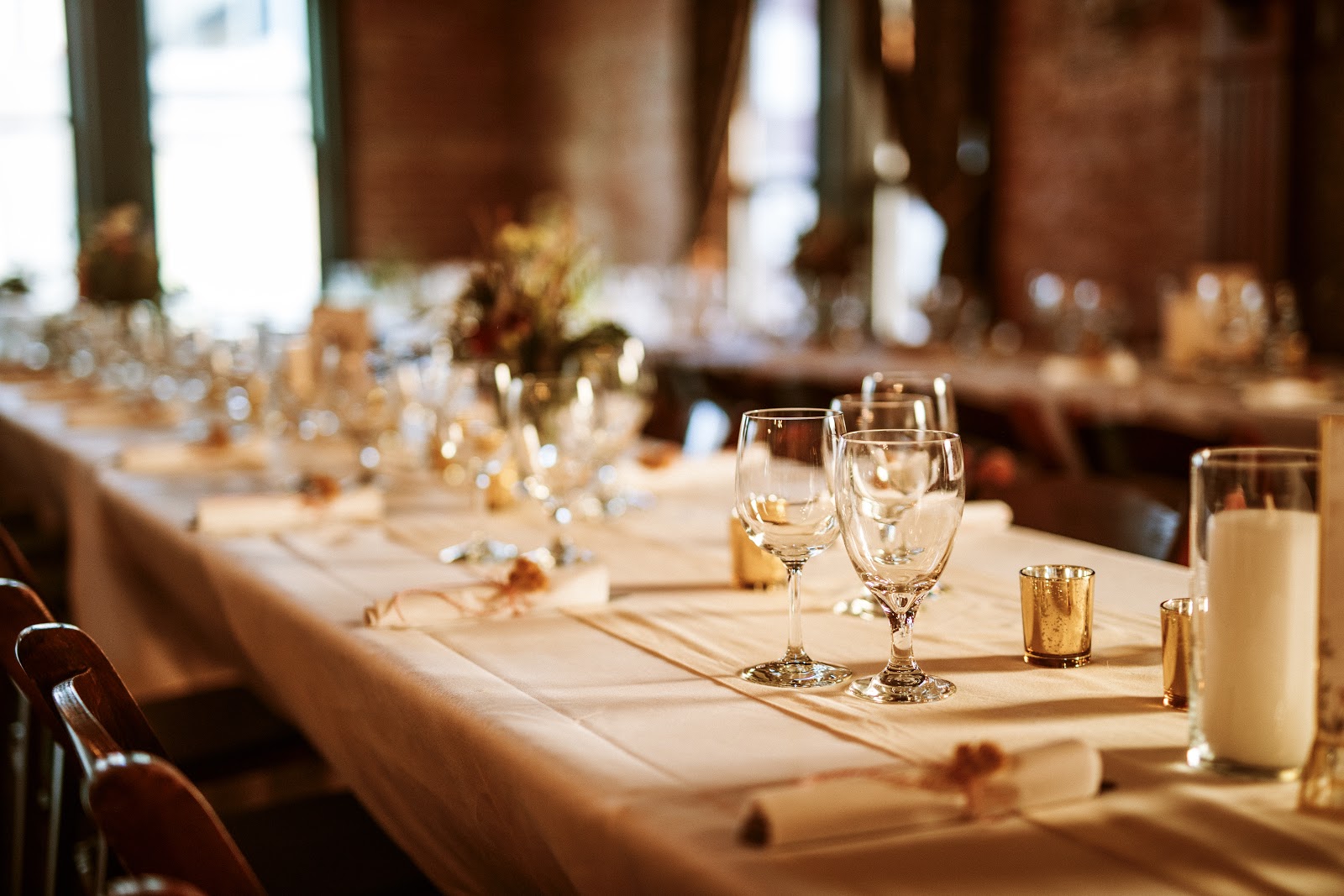
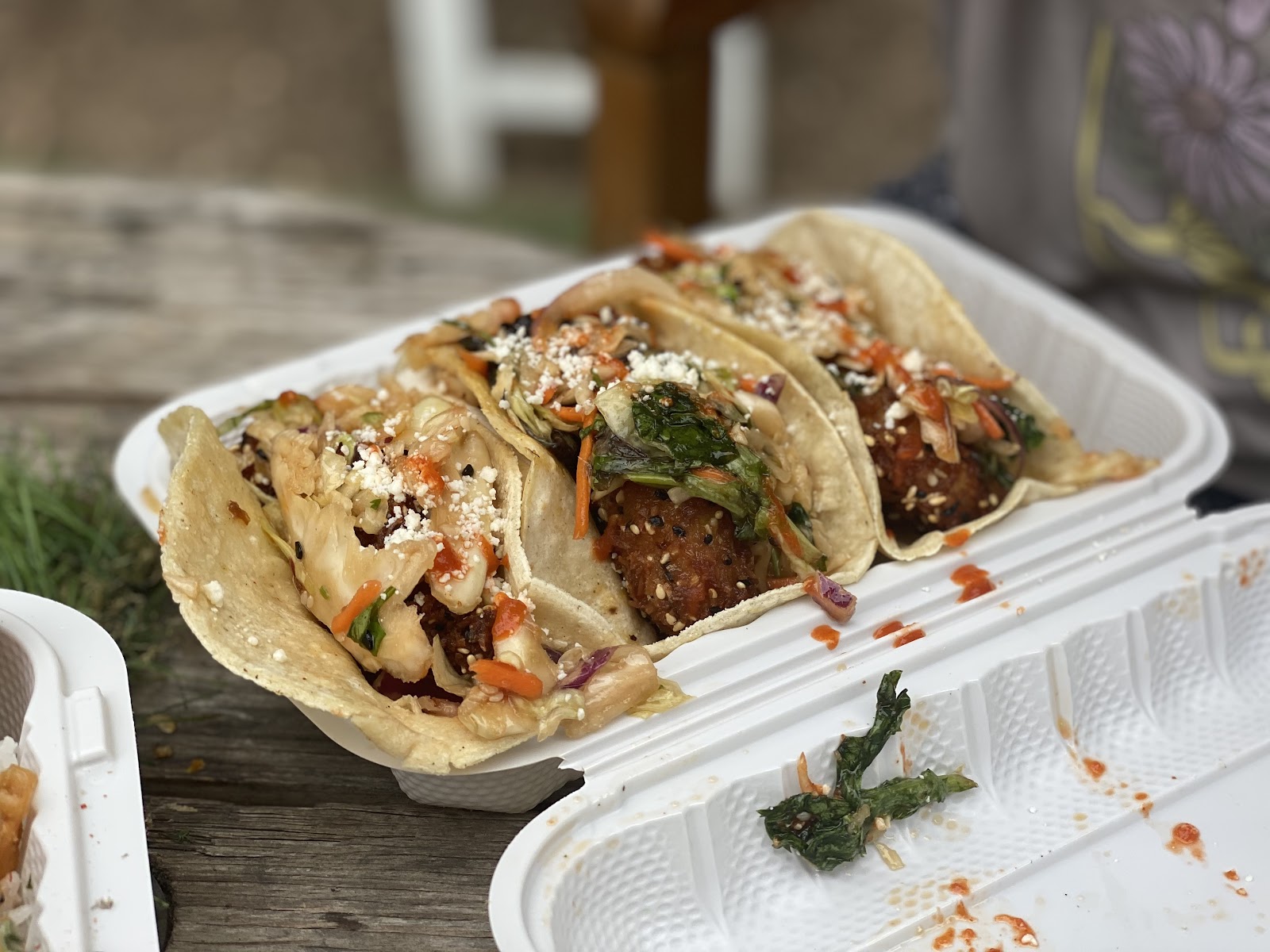
Buffet and family-style dining are popular in Boise, especially for weddings held at venues like Honalee Farm or The Castle Gardens. These styles encourage interaction and suit the relaxed, community-oriented vibe many Idaho couples prefer. Food truck catering is also trending, with local favorites offering everything from gourmet tacos to wood-fired pizza. Seasonal menus featuring local produce, huckleberries, and trout are especially well received at weddings in neighborhoods like East End or events overlooking the Boise River.
Caterers in Boise are typically booked 9 to 12 months in advance. For high-demand months like September and October, earlier is better. Average catering costs range from $30 to $80 per guest, with additional fees for staffing, rentals, and travel. Catering often represents 20-30% of a couple’s total wedding budget. Boise’s peak wedding season aligns with harvest time, offering an abundance of fresh ingredients for seasonal menus.
Local caterers are familiar with regional food preferences and work well with Idaho-grown ingredients. They know how to transport food safely across Boise’s varied terrain and can navigate site-specific challenges like limited prep areas. Boise-based teams are also connected with local farms and vendors, which allows for fresher, more sustainable options. Their familiarity with local venues means they can better anticipate setup needs and timing, ensuring smoother service on the big day.





.png)
.png)
.png)